Fossils
Ammonites, trilobites, Megalodon and Spinosaurus teeth, mosasaur jaws, fossil fish and plants, many from Morocco, France, Madagascar and China, with species, origin and size listed.
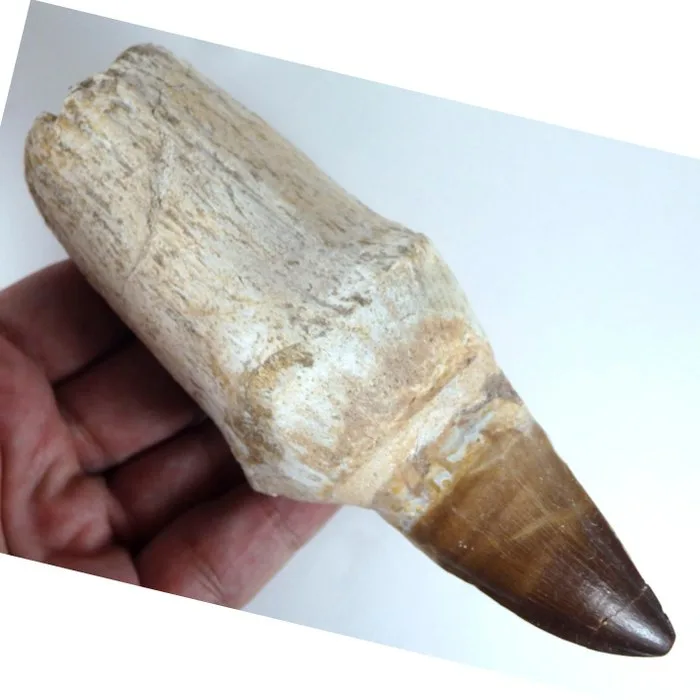
Prognatodon giganteous tooth - Masive - Fossil tooth - 15.5 cm - 5 cm
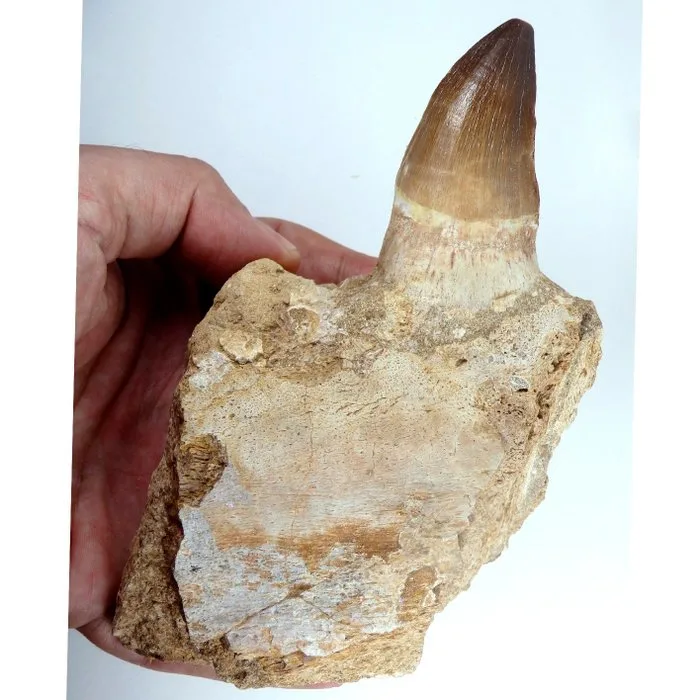
Leiodon bauguei tooth - Fossil tooth - 17 cm - 6 cm
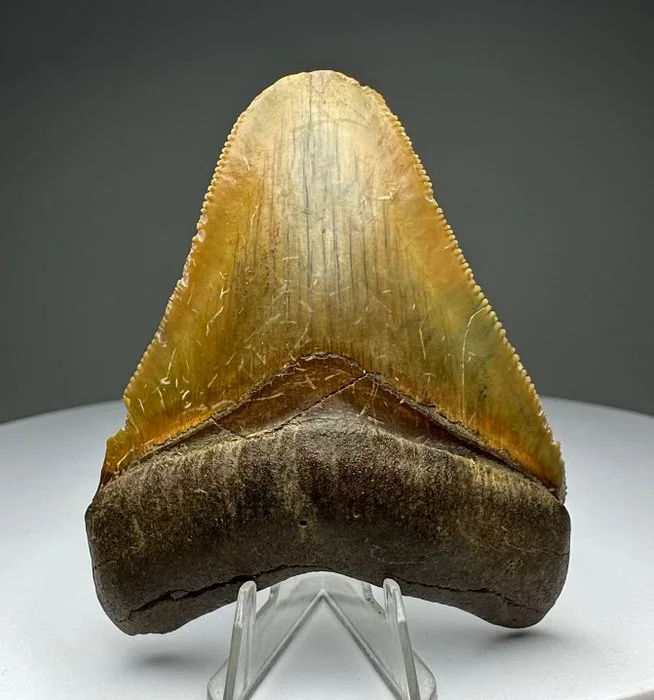
Megalodon - Fossil tooth - 7.5 cm - 6 cm
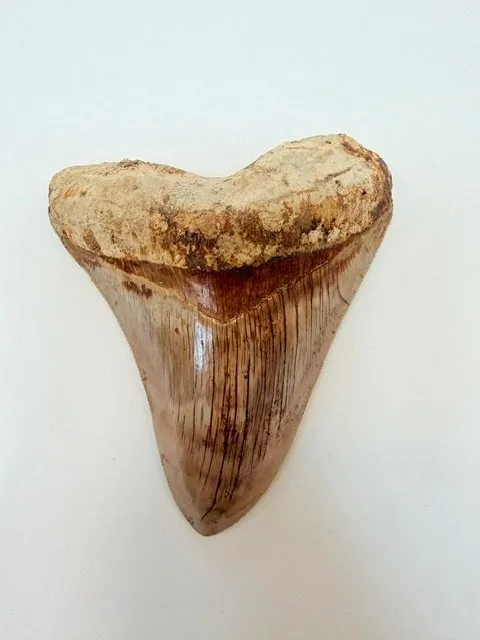
Megalodon - Fossil tooth - 117 mm - 97 mm
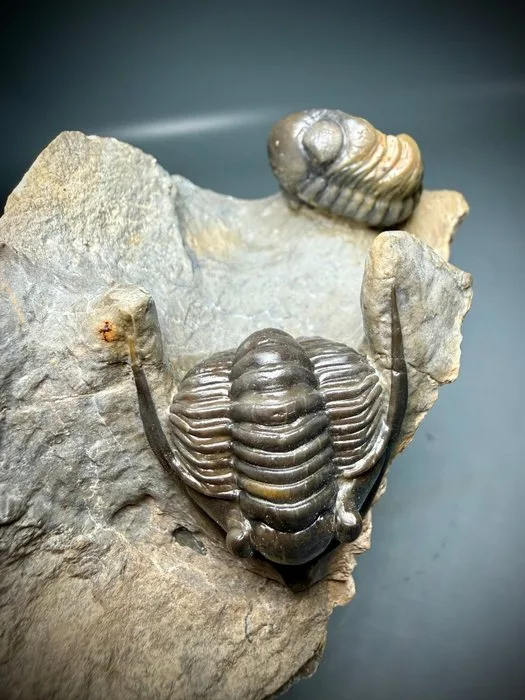
Museum Quality – Natural Association of Three Trilobites on Original Matrix - Fossil carapace - Two Cornuproetus and One Ventrally Prepared Austerops
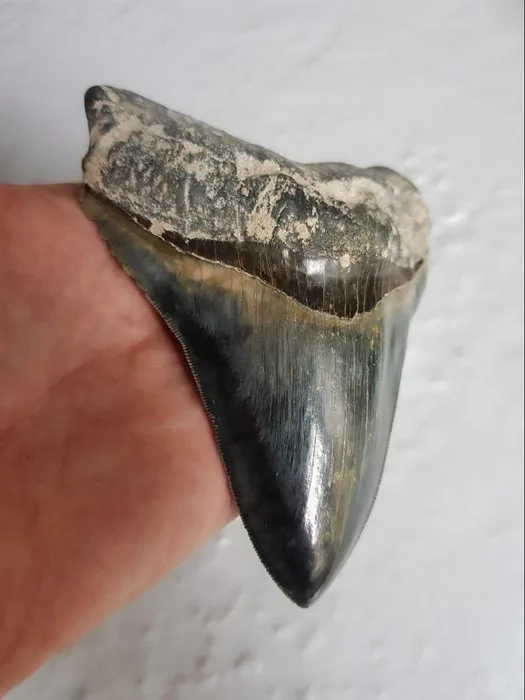
Megalodon - Fossil tooth - 12.6 cm - 10 cm
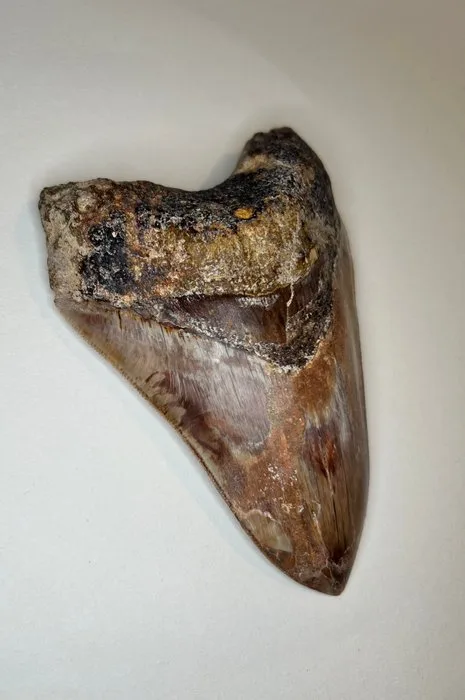
Megalodon - Fossil tooth - 142 mm - 96 mm
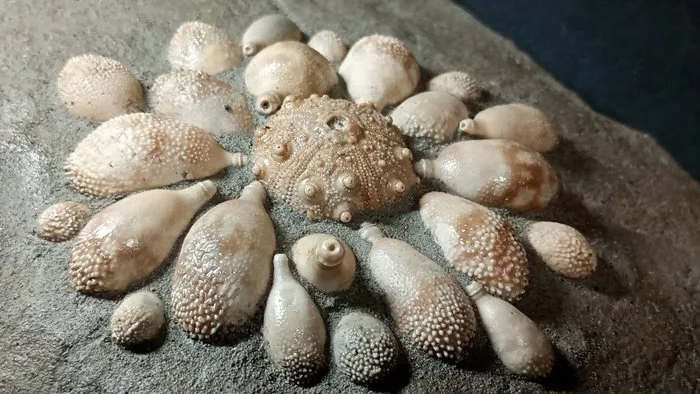
Fossil Hedgehog - Fossil plate matrix - Pseudocidaris Mammosa - 19.5 cm - 35 cm
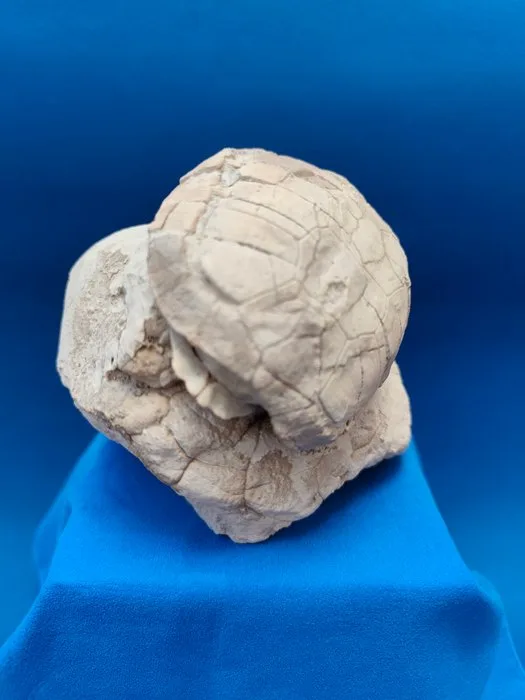
Turtle - Fossilised animal - Stylemys nebrascensis - 11 cm - 14 cm
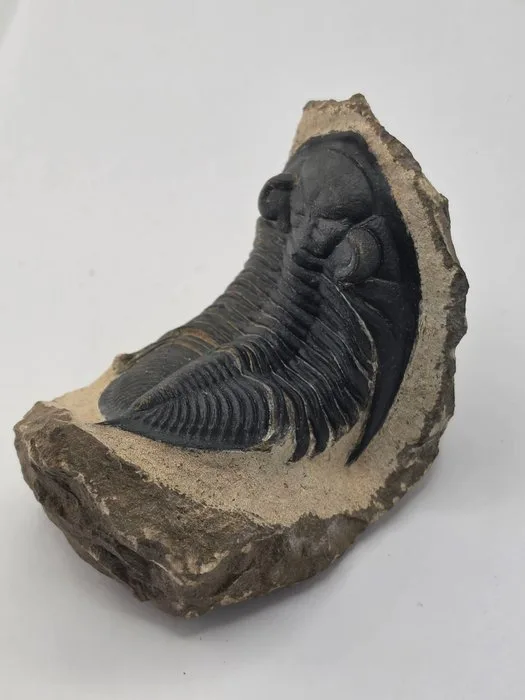
Trilobite - Fossilised animal - Zlichovaspis - 9 cm
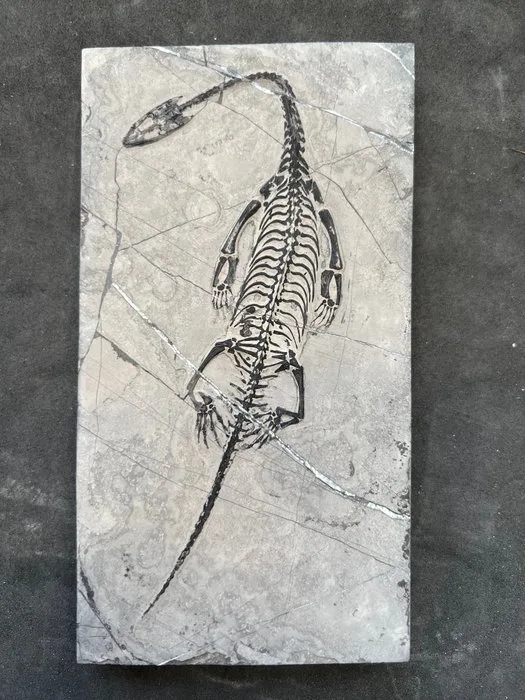
Marine reptile - Fossilised animal - Fossile de Keichousaurus hui – Un trésor du Trias - 17.3 cm - 9.5 cm
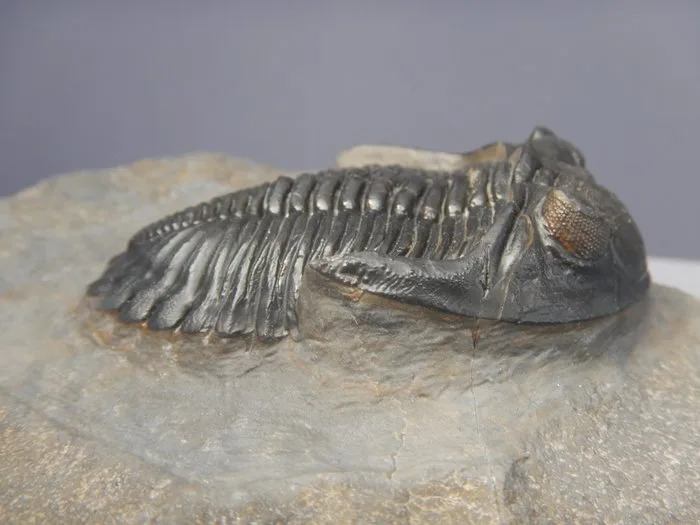
Trilobite - Fossil skeleton - Hollardops mesocristata - 6 cm
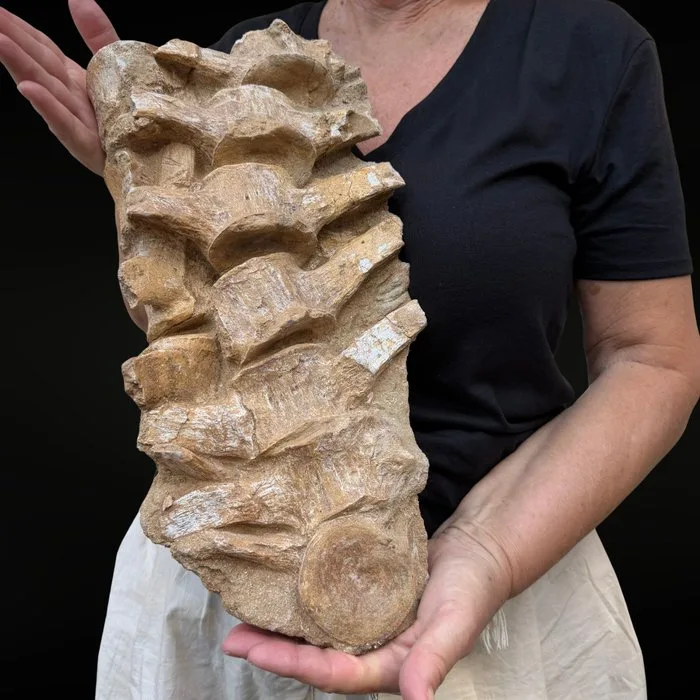
Fossil Mosasaur vertebra – Authentic natural specimen - Fossil matrix - Mosasaure - 40 cm - 21 cm
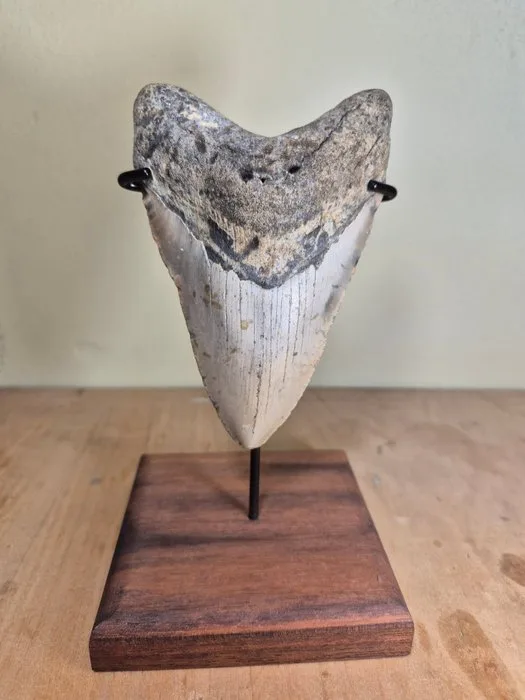
Dagger Megalodon tooth with beautiful stand! - Fossil tooth - Otodus Megalodon - 11.85 cm
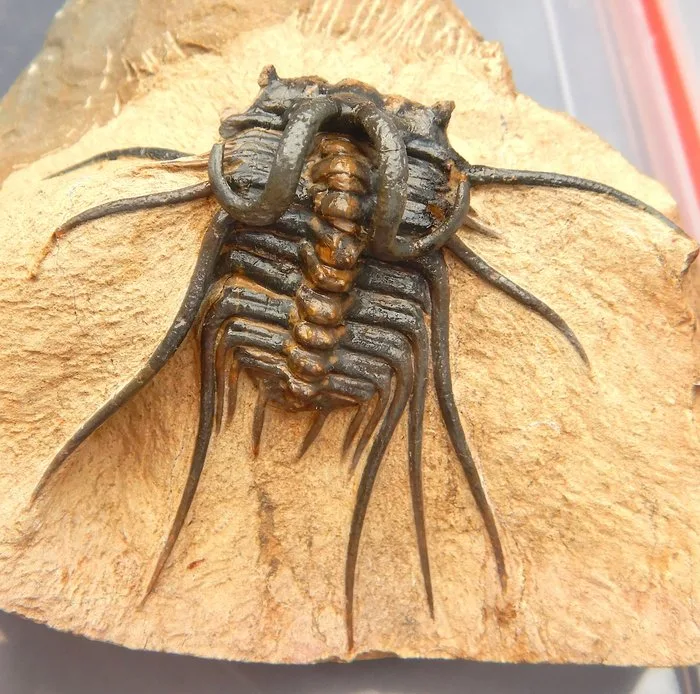
Trilobite - Fossilised animal - Dicranurus monstrosus & Leonaspis
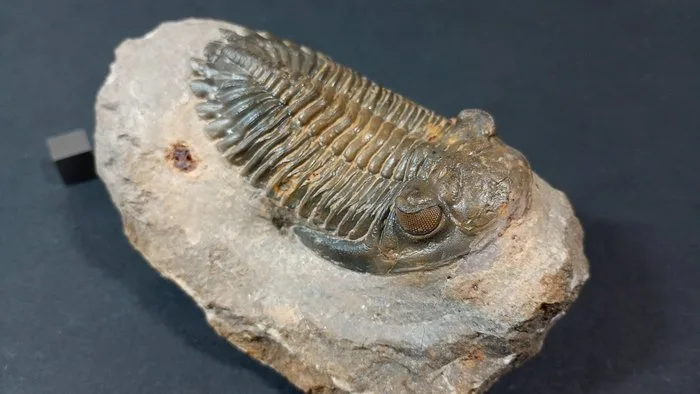
Trilobite - Fossil carapace - Hollardops Mesocristatus - 11.5 cm
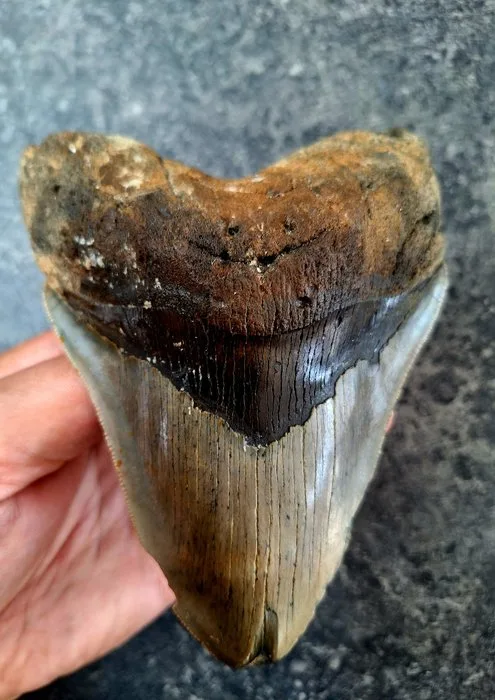
Megalodon - Fossil tooth - 13.5 cm - 10.8 cm
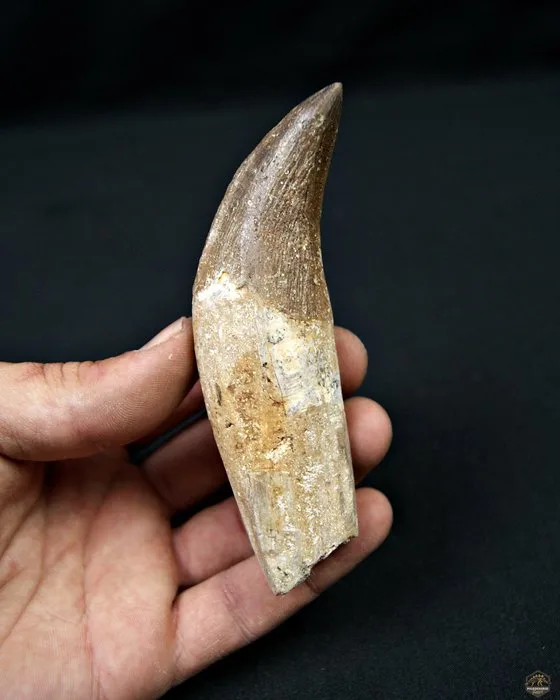
Basilosaurus (primitive whale) - Fossil molar - Colmillo de Basilosaurus - 11.4 cm
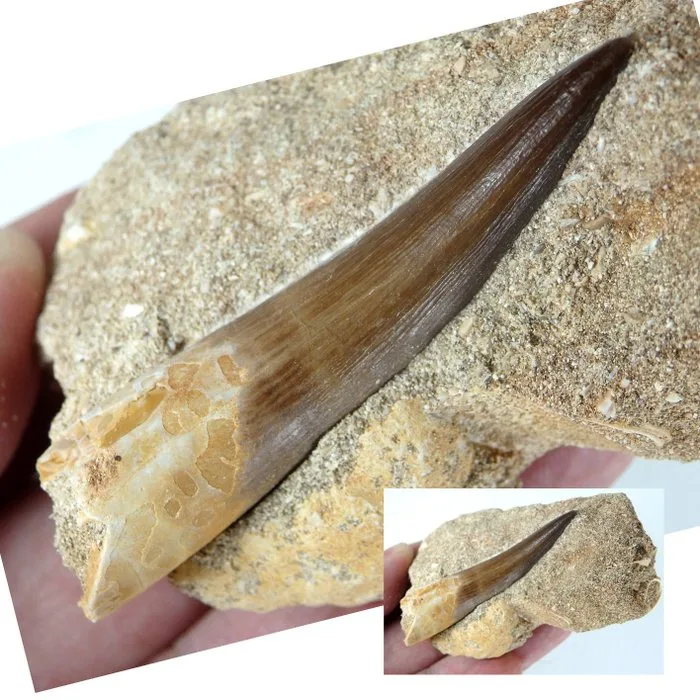
Plesiosaurus tooth - Fossil tooth - Zafarasaura oceanis - Tooth is 58mm - cuallity specimen - 80 mm - 30 mm
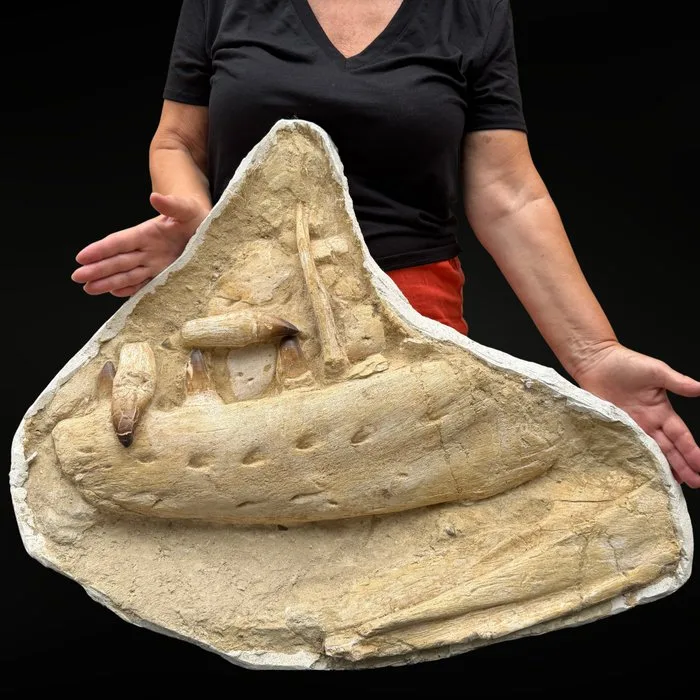
Mosasaur jaw – Authentic natural specimen - Fossil matrix - Mosasaure - 60 cm - 73 cm
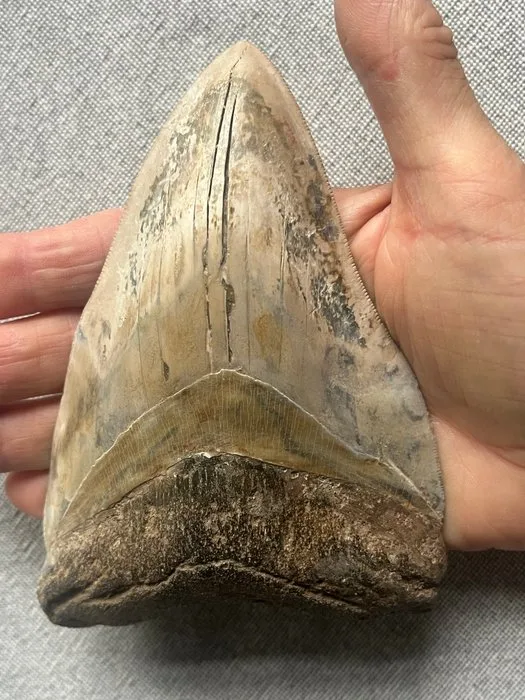
Huge Megalodon tooth 14,1 cm - Fossil tooth - Carcharocles megalodon
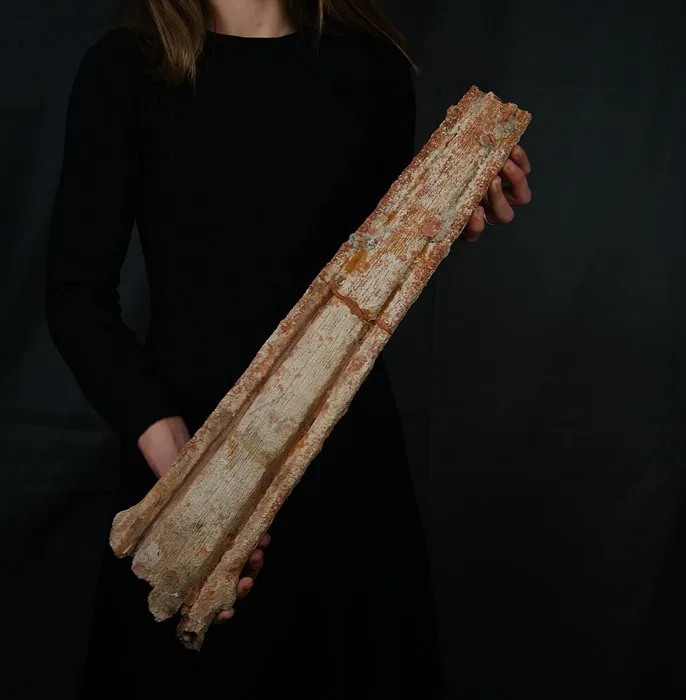
Onchopristis numidus - Fossil skeleton - Enorme tribuna Tiburón sierra - 57 cm
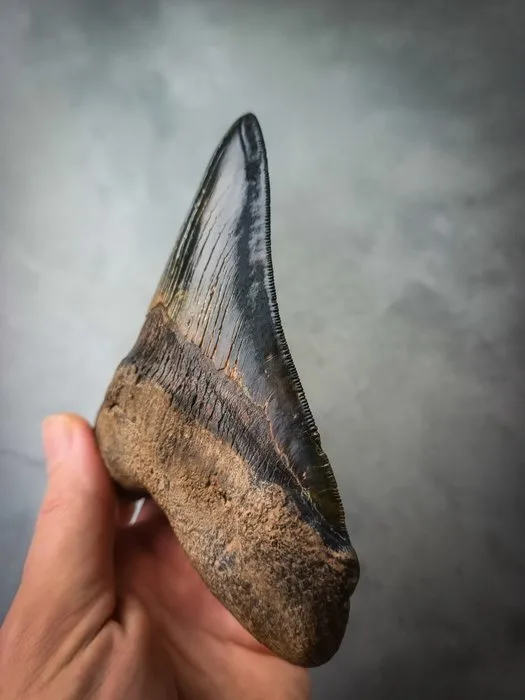
Megalodon - Fossil tooth - 13.4 cm - 11.8 cm
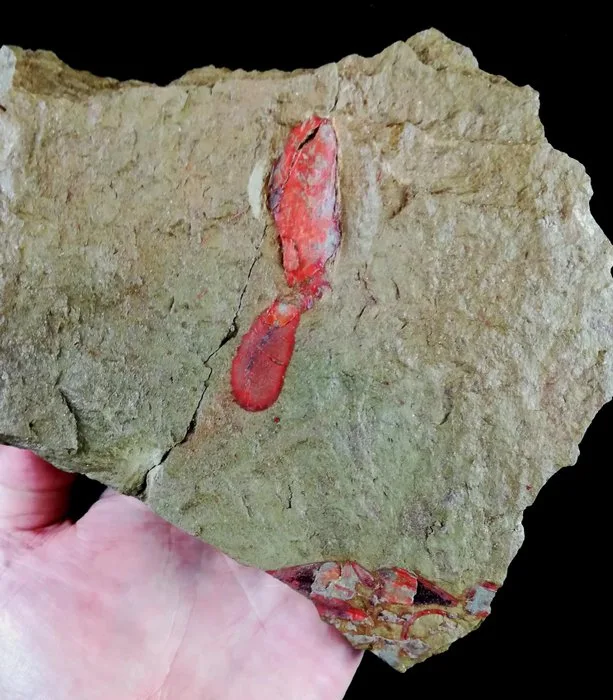
Primitive echinoderm - solved!!! + Hyolitha + Orthocerida - Fossilised animal - Nimchacystis agterbosi (Dupichaud, C. et al., 2023) + Cavernolites senex (Marek, 1983) - 17 cm - 13.5 cm
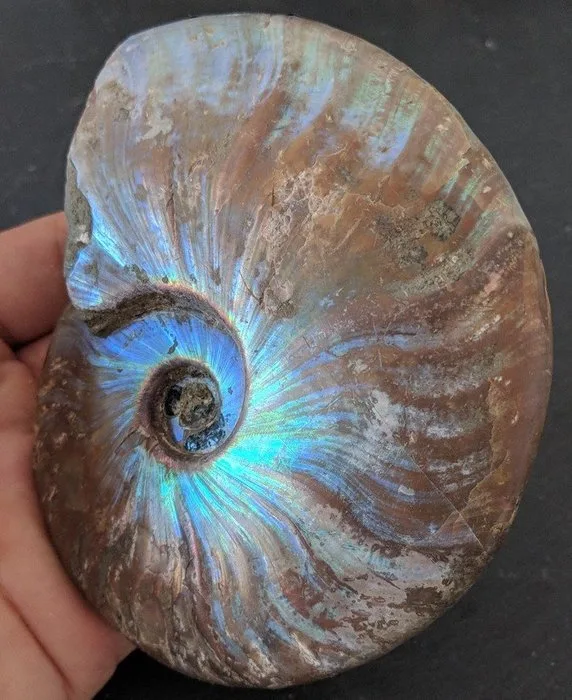
Ammonite - Fossilised animal - Aiolaceras - 96 mm - 121 mm
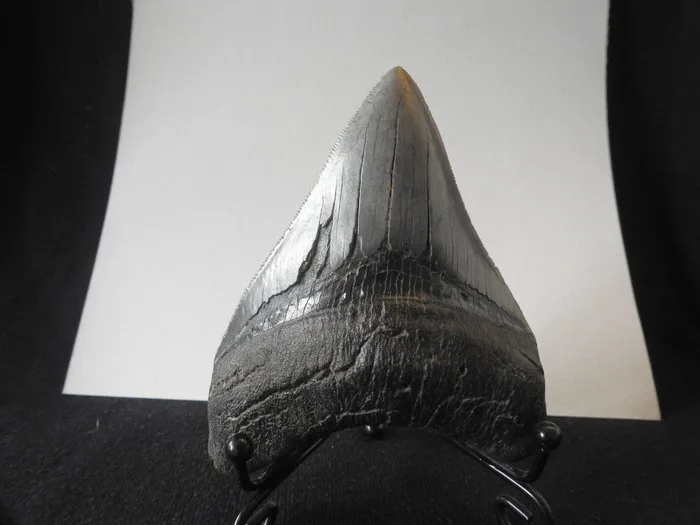
Megalodon - Fossil tooth - Carcharocles Megalodon - 110 cm - 80 cm
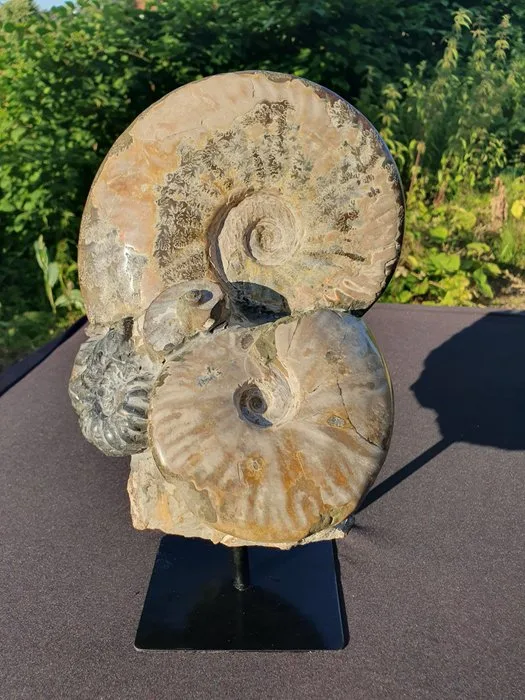
Fossilised animal - Red Opalized Ammonites and black Fossil Cluster on Custom Metal Stand, Multiple Species, on Matrix - 31 cm - 20 cm
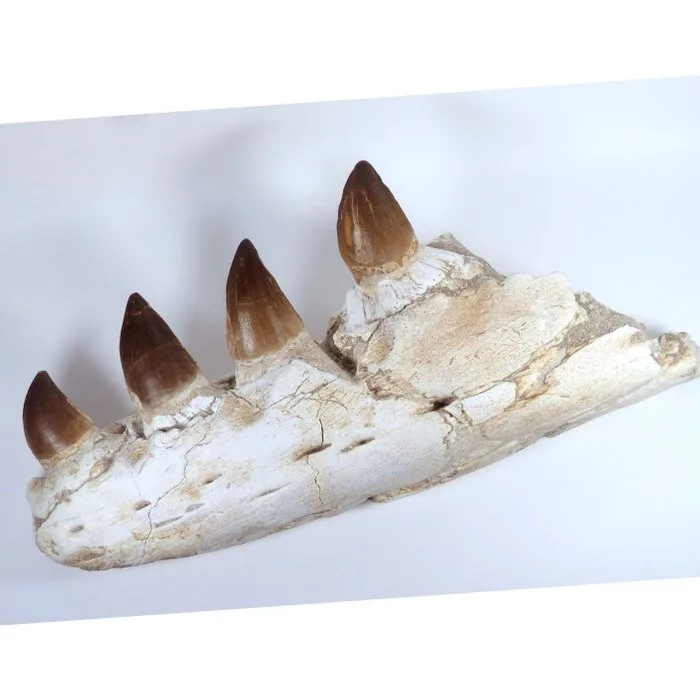
Mosasaur mandible - Fossilised jaw - Prognatodon giganteous - 26.5 cm - 5 cm
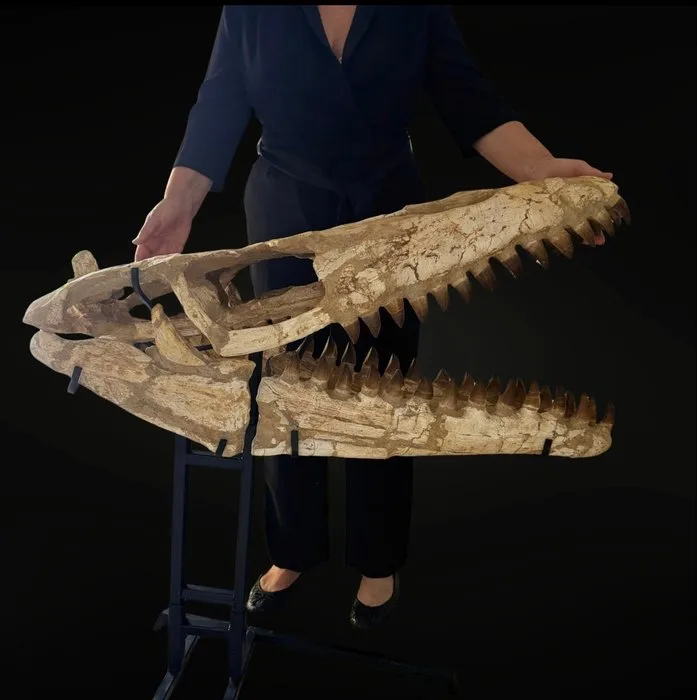
Exceptional Mosasaure - Fossil skull - Mosasaure - 92 cm - 96 cm
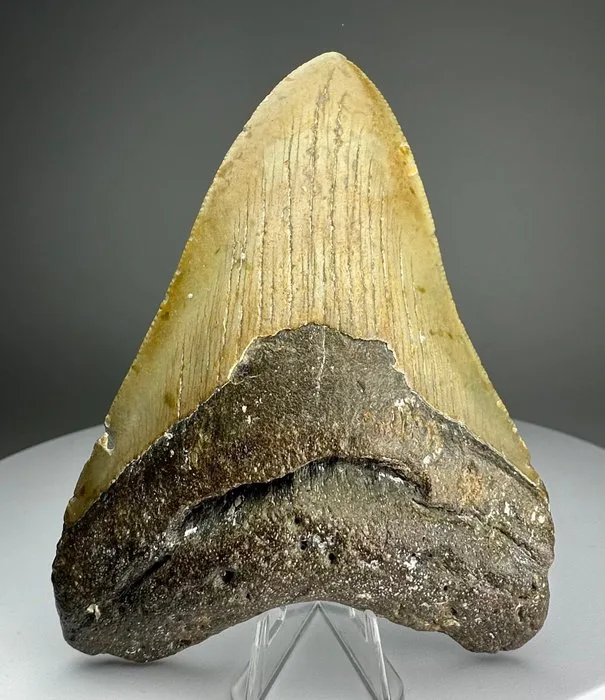
Megalodon - Fossil tooth - 10.5 cm - 8 cm
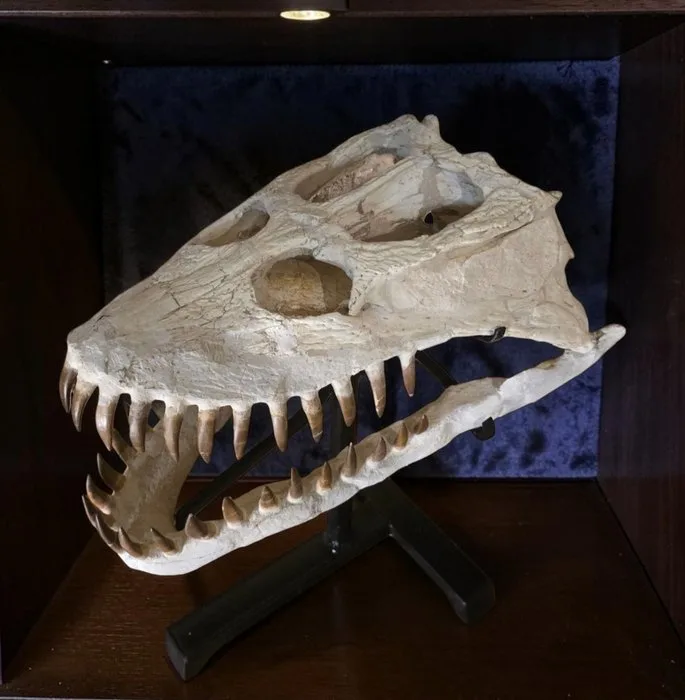
Elasmosaurus - Fossil skull - 49 cm - 28 cm
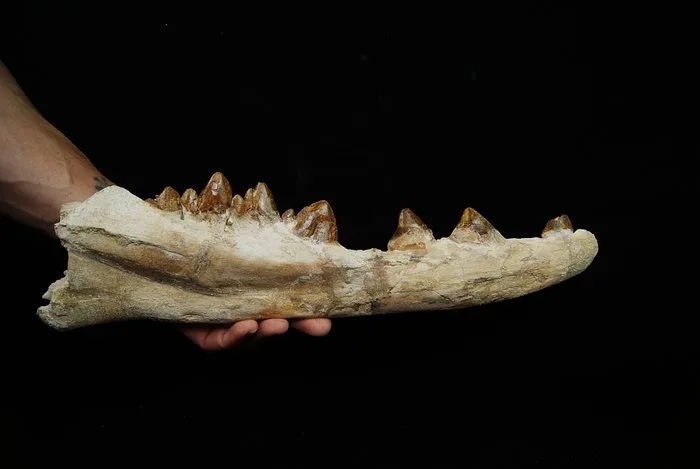
Early Whale - Basilosaurid - Fossilised jaw - Dorudon atrox - 40 cm
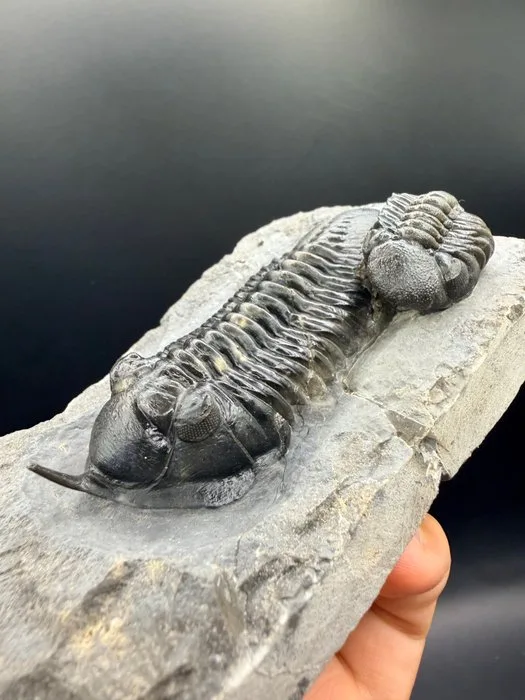
Trilobite - Fossilised animal - Morocconite malladoides - 10 cm
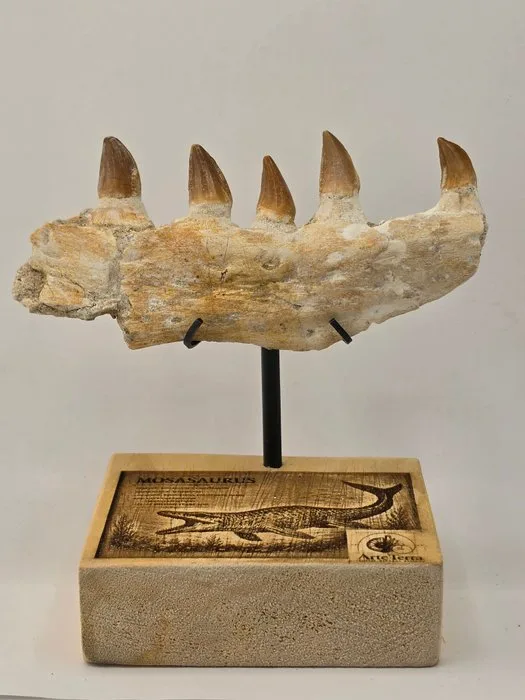
Mosasaur - Fossil tooth - Mosasaur tooth on a custom base
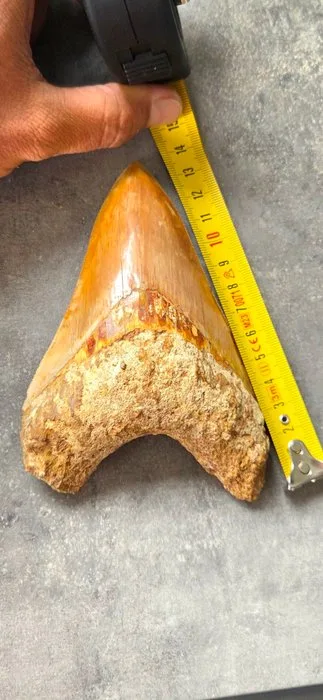
Megalodon - Fossil tooth - 13.5 cm - 8.5 cm
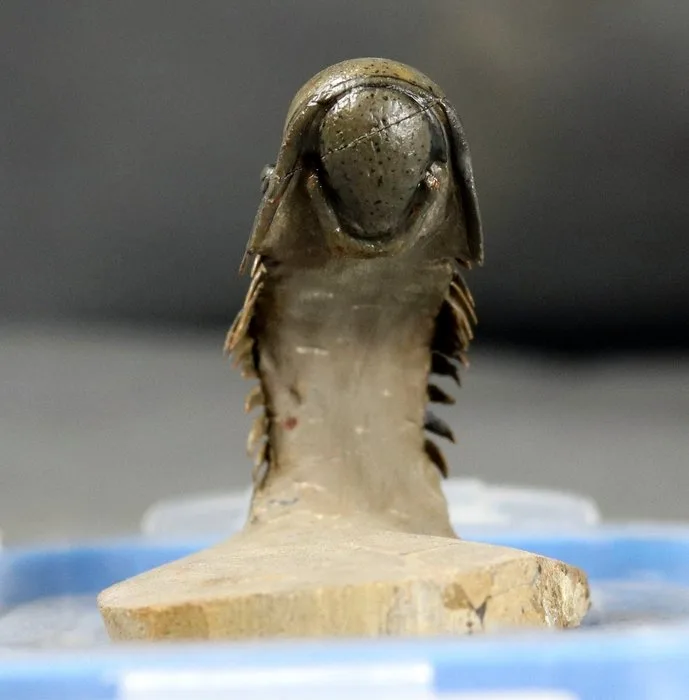
Finest trilobite with truly amazing flying position - Finest prep work and outstanding quality - Fossilised animal - Crotalocephalus gibbus - 6.5 cm
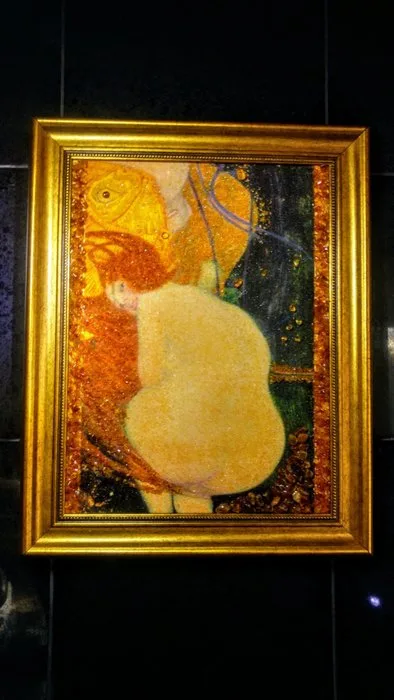
100% Natural - Amber - Baltic Amber mosaic - Klimt Picture - New collection - 48 cm - 38 cm
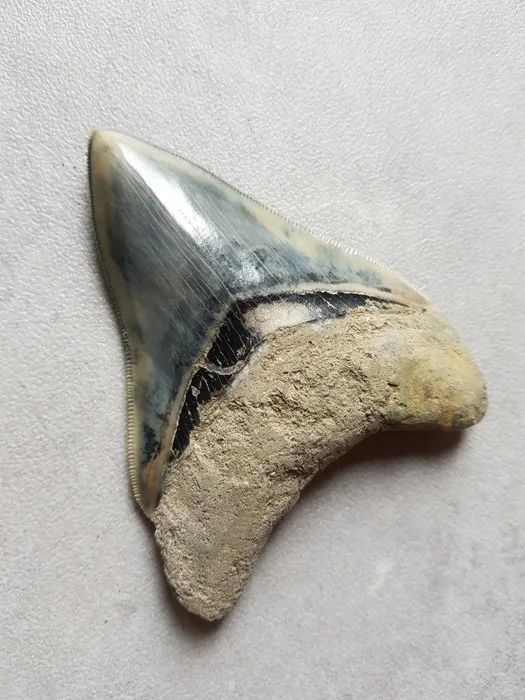
Megalodon - Fossil tooth - 11.1 cm - 8.5 cm
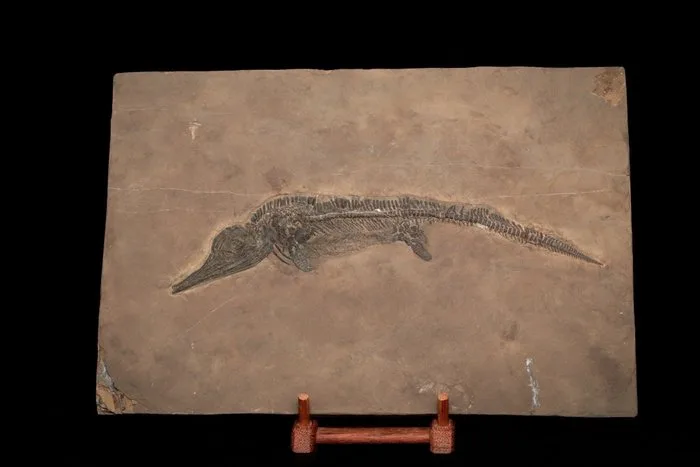
Marine reptile - Fossilised animal - Mixosaurus - 38 cm - 26 cm
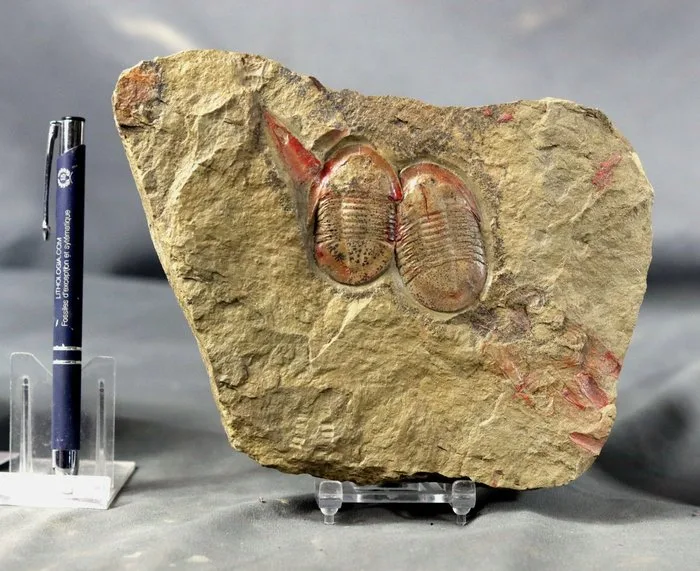
Finest quality trilobite fossil - Natural double - Fossilised animal - Asaphellus fezouatensis - 19 cm - 13 cm
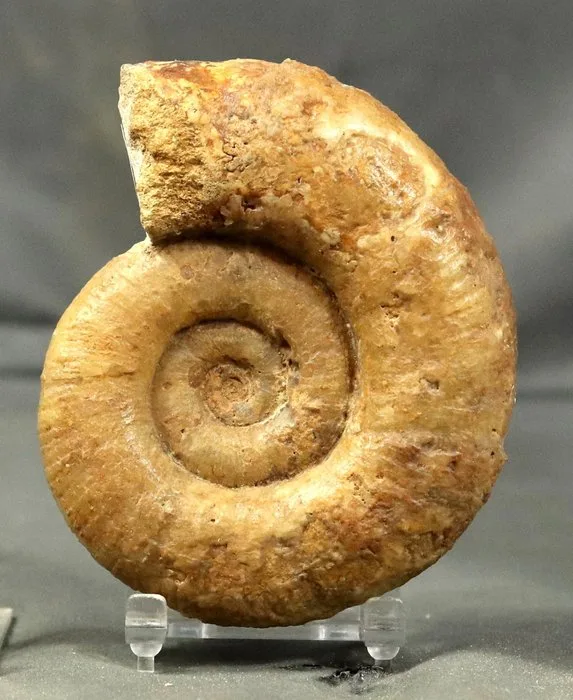
Fine Ammonite - Two sides cleaned - Fossilised animal - Lytoceras fimbriatum 11.2 cm !
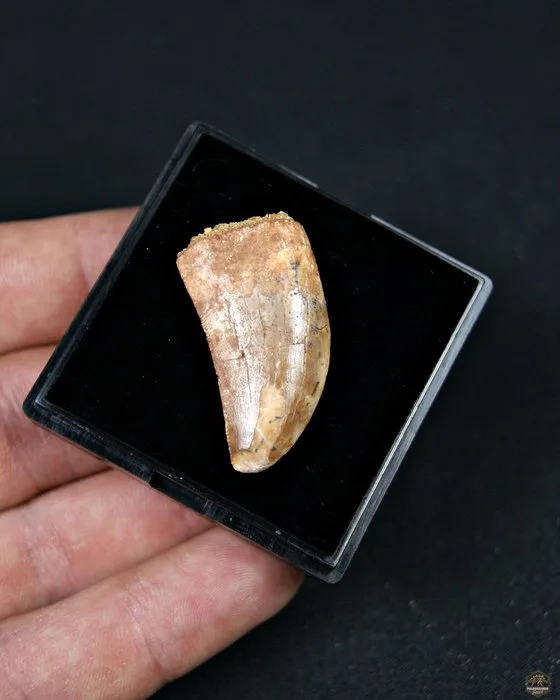
Dinosaur - Fossil tooth - Carcharodontosaurus saharicus
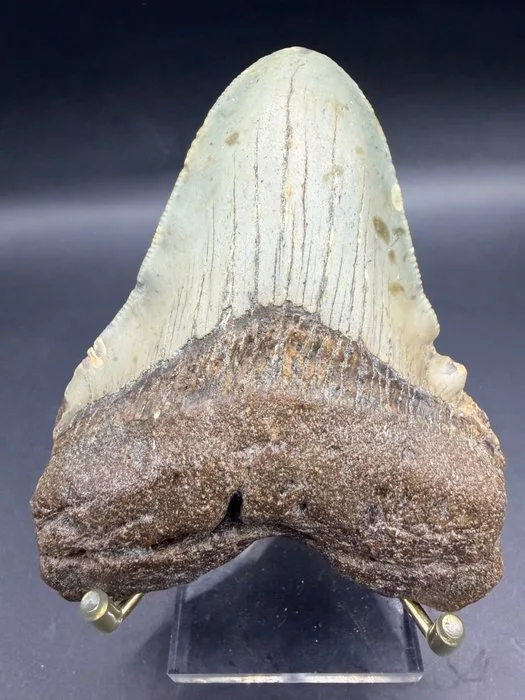
Megalodon - Fossil tooth - Carcharocles megalodon - 10.3 cm
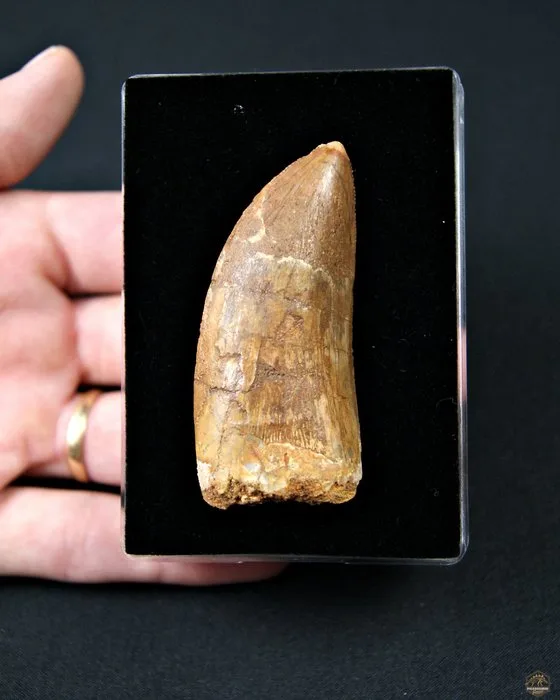
Dinosaur - Fossil tooth - Carcharodontosaurus Saharicus
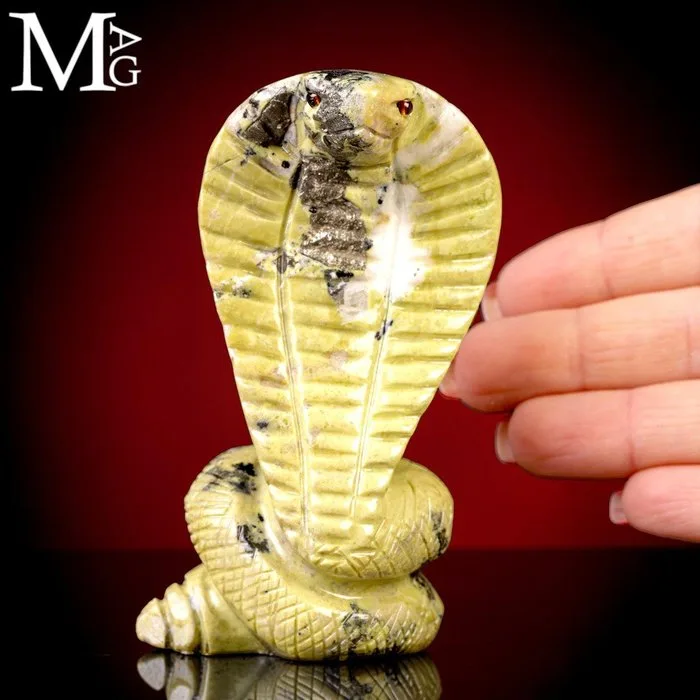
Serpentine & Pyrite Cobra Sculpture Guardian of Earth and Metal - Height: 103 mm - Width: 54 mm- 213 g - (1)
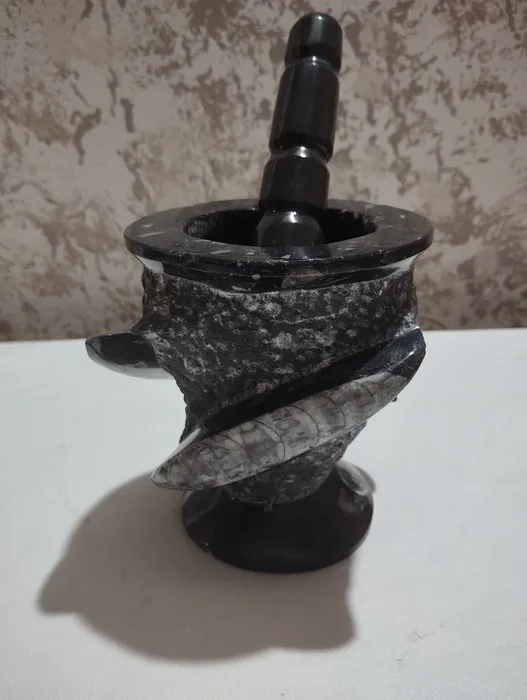
Fossilised animal - 12.5 cm - 10.5 cm
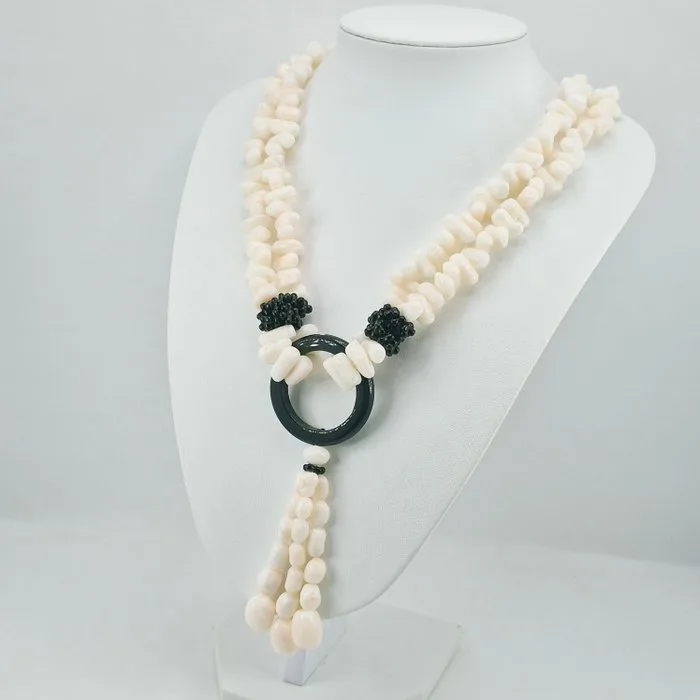
Coral - Silver - Necklace - White coral
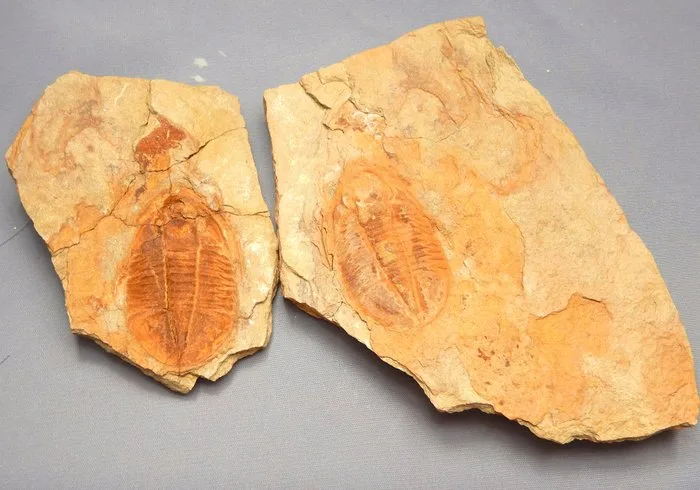
Trilobite - Fossilised animal - Asaphellus (Positive & negative) - 4.5 cm
What this section contains
Fossil teeth from Megalodon, Spinosaurus, Carcharodontosaurus and mosasaurs; ammonites, including polished and paired examples; trilobites from Morocco; fossil fish from Lebanon and elsewhere; marine reptiles such as Keichousaurus; fossil plants from Montceau-les-Mines in France; sponges, shells and stromatolites; and a few larger skulls and jaws. Most pieces here are between €400 and €4,000.
Reading a listing
- Specimen gives the kind of animal or plant, such as Ammonite, Trilobite, Megalodon or Fish.
- Origin is the country where the fossil was found; Morocco is the most common here.
- Size is given in mm or cm. For teeth, length is measured along the curve or straight, as stated.
- Condition tells you how much work has been done on the fossil.
Natural, restored or reassembled
This is the most important thing to check. Natural means the fossil is as found, apart from cleaning and preparation. Restored means missing parts have been filled or rebuilt. Reassembled means broken pieces have been glued back together. Restoration is common and acceptable, especially on teeth and larger specimens, but it lowers value and should always be stated. Look closely at colour changes in the photos, which can show filled areas.
Other points
Many Moroccan trilobites and plates are prepared by hand from the rock, and some composite pieces combine fossils from different sources on one matrix; the description will say so. Fossil teeth with the root intact are more sought after. Keep fossils dry and away from direct sunlight.
Frequently asked questions
What is the difference between a natural and a restored fossil?
A natural fossil is as it was found, apart from cleaning and preparation from the rock. A restored fossil has had missing or damaged parts filled or rebuilt, and a reassembled one has had broken pieces glued back together. Restoration is common, especially on teeth, but natural specimens usually cost more. The Condition field on each listing says which applies.
How big was a Megalodon tooth?
Megalodon (Carcharocles megalodon) teeth commonly measure between about 8 and 15 cm, and the very largest exceed 17 cm along the slanted edge. Teeth over 12 cm are considered large and are priced accordingly. Complete roots, sharp serrations and an intact tip all add to value. Each listing gives the tooth's measured size.
Where do most Spinosaurus teeth come from?
Most Spinosaurus teeth come from the Kem Kem beds of south-eastern Morocco, Cretaceous rocks roughly 95 to 100 million years old. They are long, conical and ridged, without the serrated edges of meat-eating theropods such as Carcharodontosaurus, which comes from the same beds. Many are sold with some restoration.
How do I look after a fossil?
Keep fossils dry, stable and out of direct sunlight. Avoid water and household cleaners; a soft dry brush is enough for dust. Some fossils, especially those containing pyrite, can deteriorate in humid air, so store them where humidity is moderate. Display heavy plates on a secure stand or flat surface.