Archaeology
Ancient objects from the Neolithic to the medieval world: Roman and Byzantine rings, oil lamps, Celtic bronzes, Silk Road beads, Egyptian scarabs, Chinese tomb figures and flint tools.
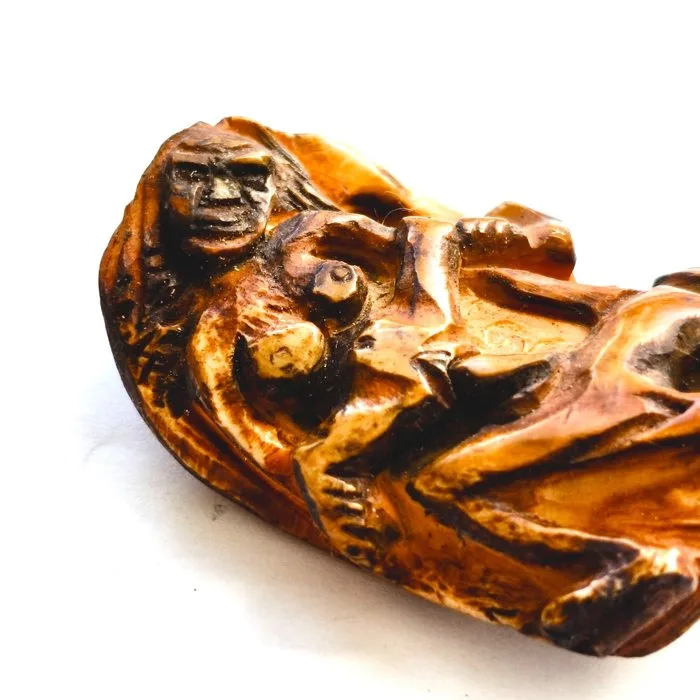
Ancient Indochinese Hill Tribes Wild Buffalo Bone Erotic Couple Fertility Bead Talisman - 40 mm
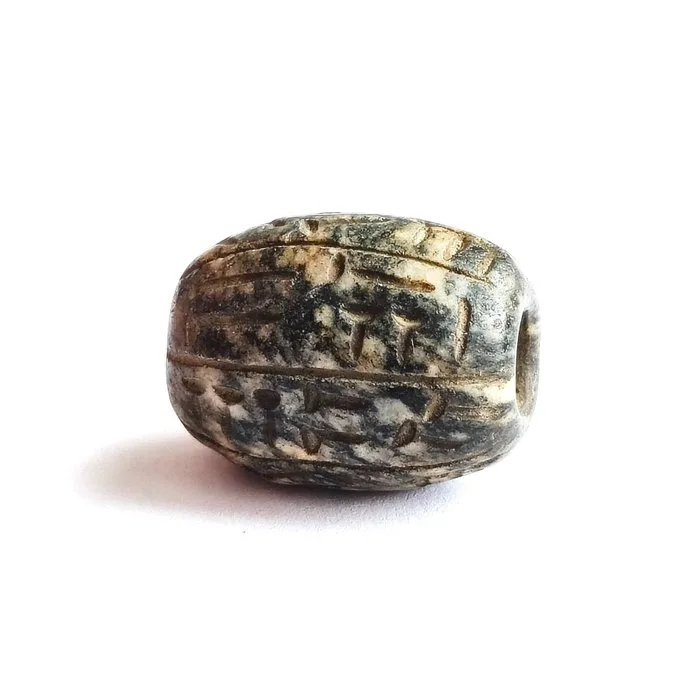
Silk Road, Central Asia Jasper Oval Bead Seal Talisman w Inscriptions - 22 mm
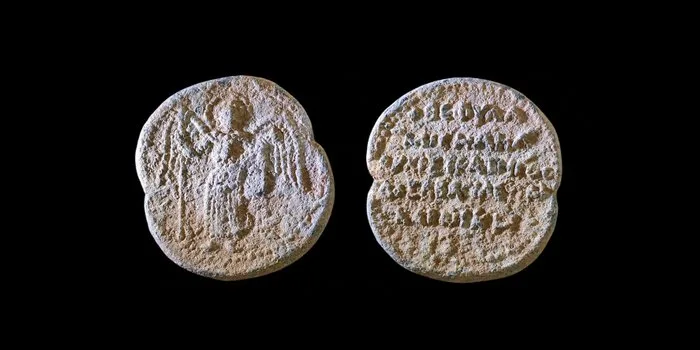
Byzantine Lead Lead Seal - 30 mm
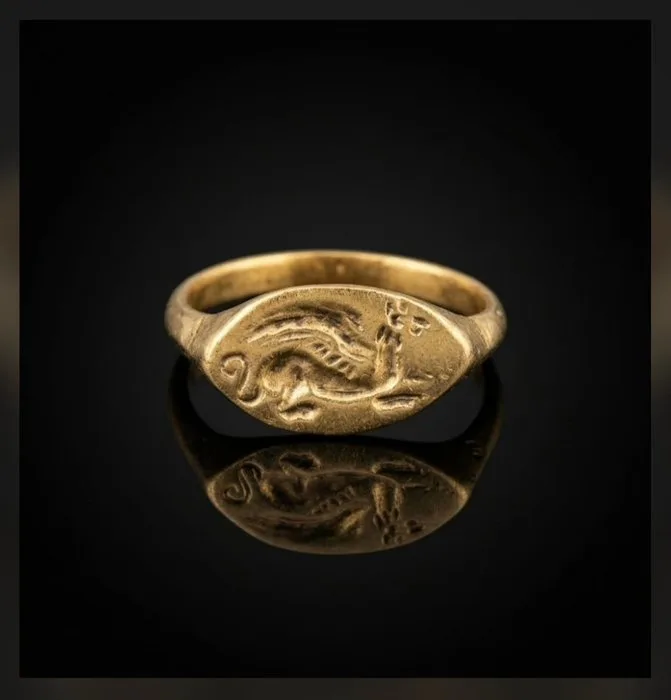
Ancient Greek Silver, with modern gold plating Ring - 20 mm
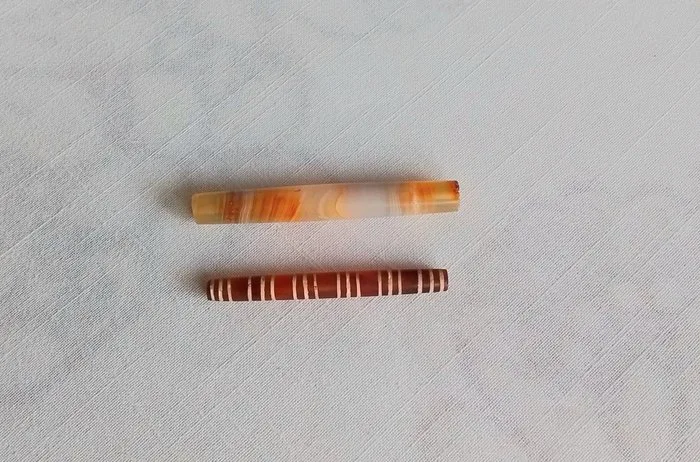
Ancient Asian Agathe, carnelian Beads
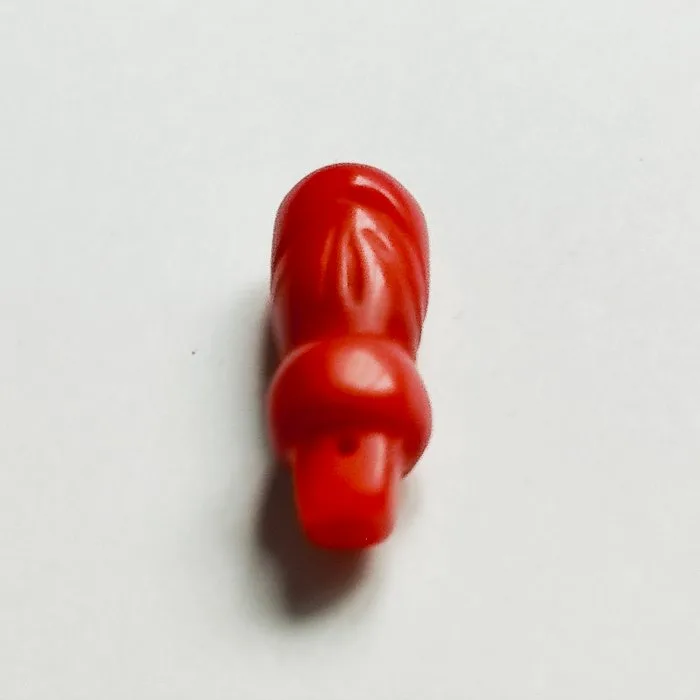
Ancient Indochinese Red Coral XS Erotic Fertility Yoni Lingam Bead Talisman - 36 mm
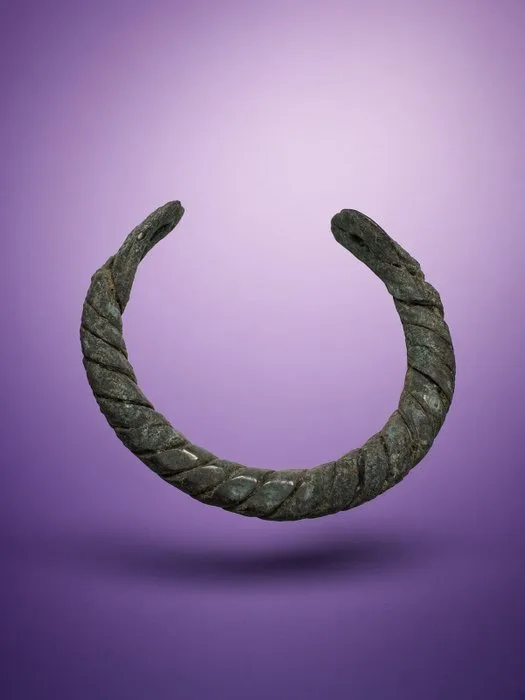
Bronze Age - Iron Age ancient twisted bracelet
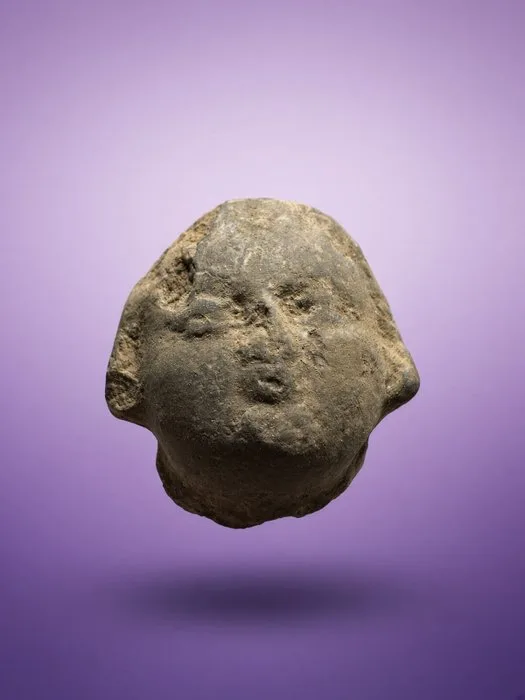
Ancient Roman terracotta bust of god cupid? (eros?)
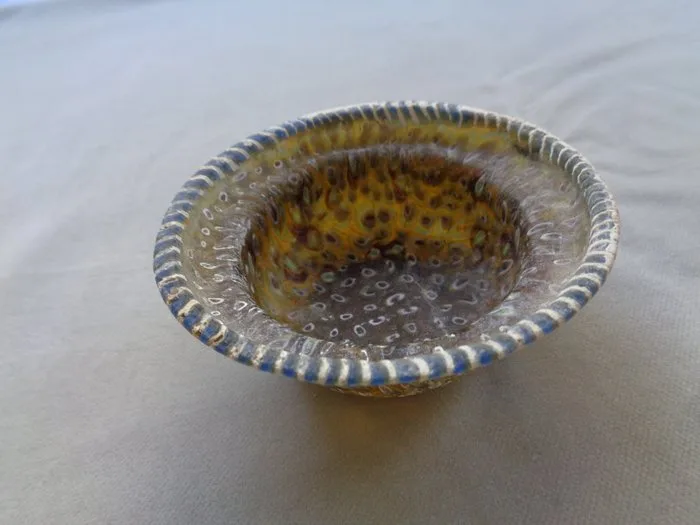
Platter - millefiori mosaic - Roman glass bowl
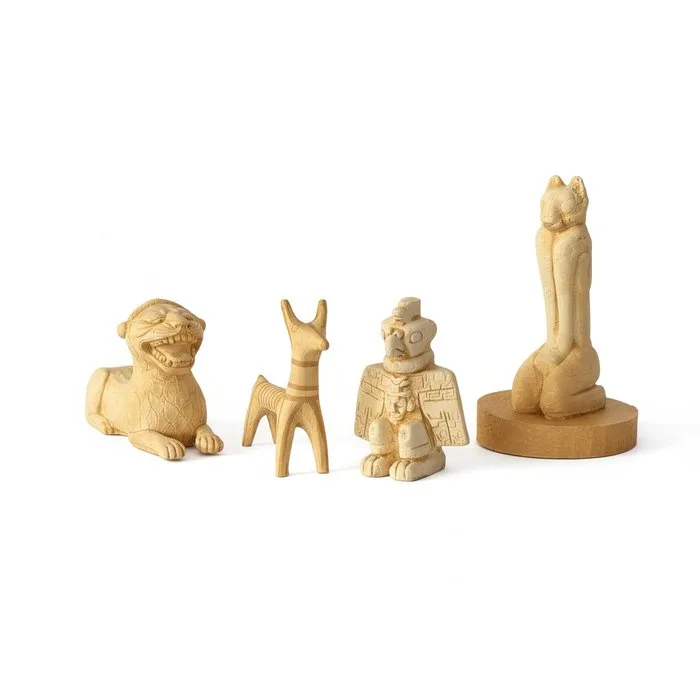
Replica of Aztec, Calusa, Mycenaean and Urartian animal sculptures Resin and marble-powder composite Ancient Animal Totems – 4-Piece Archaeological Sculpture Replica Collection - 7.9 in
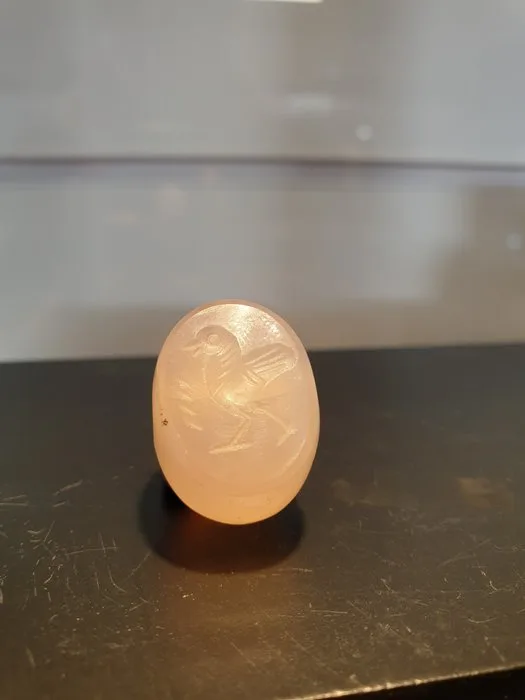
Sasanian Stone Bead Cockerel Engraved - 2.5 cm
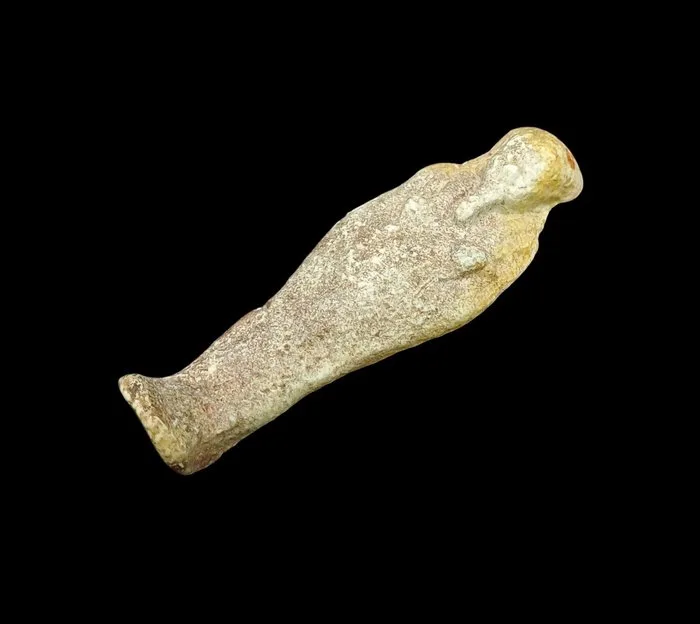
Ancient Egyptian Faience Shabti - 82 mm
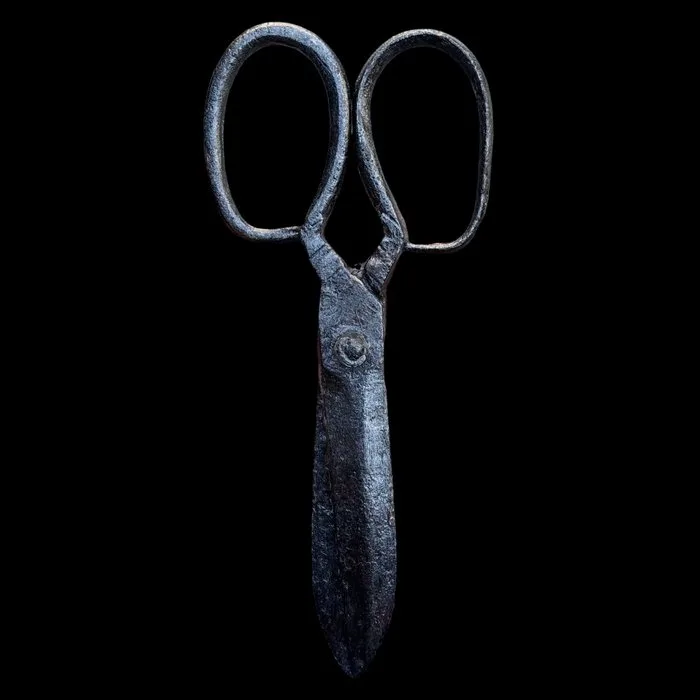
Post-medieval Iron Hand-forged hinge scissors - Post-Medieval hand-wrought iron scissor - 21.2 cm
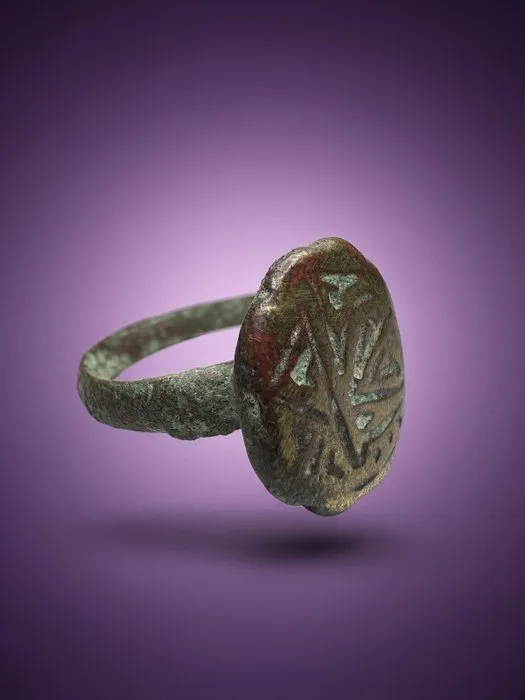
Medieval ring - islamic period
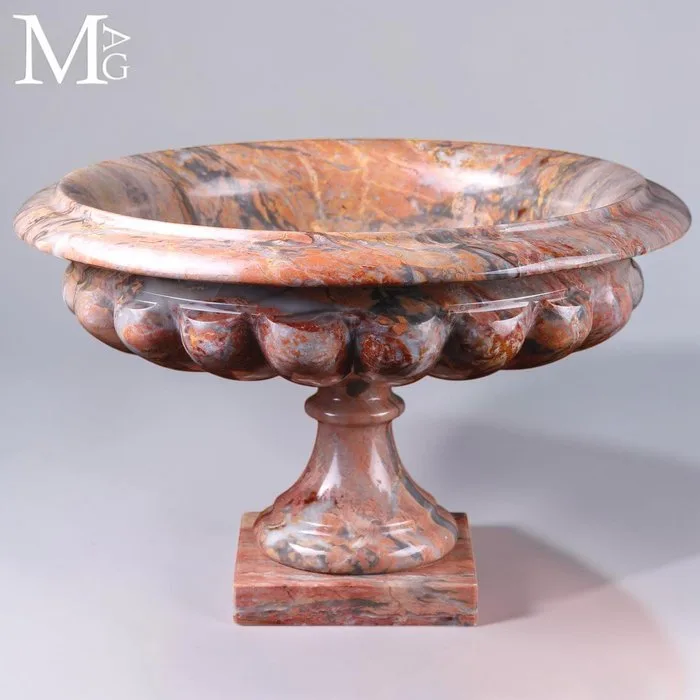
Elegant Italian Marble Fruit Bowl - Precious Italian Marble - Exquisitely Refined Details - Height: 350 mm - Width: 350 mm- 8137 g - (1)
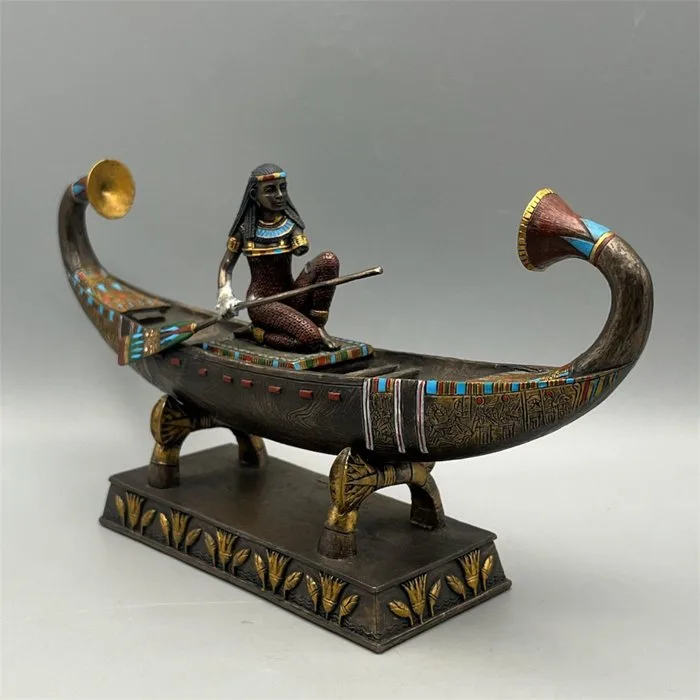
Replica of ancient Egyptian Boat with Seated Goddess Isis
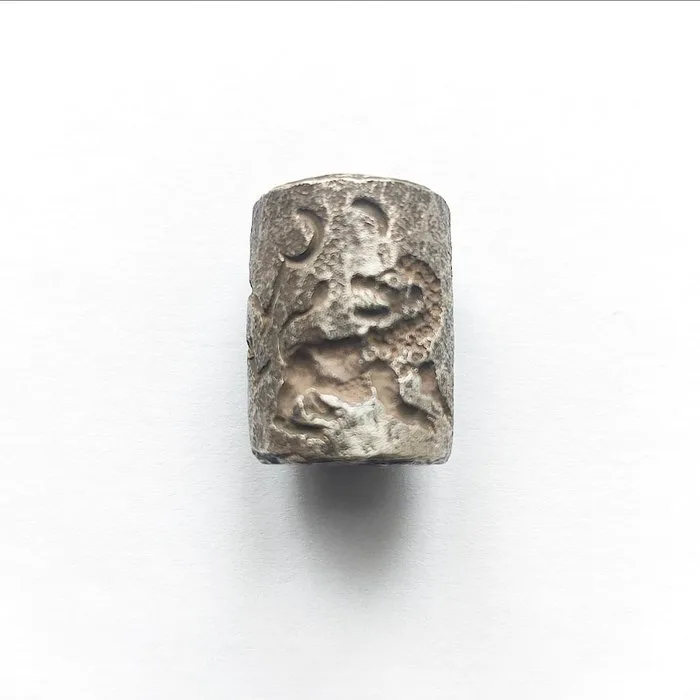
Silk Road, Western Asiatic Silver Hunting Scene Bead Talisman - 21 mm
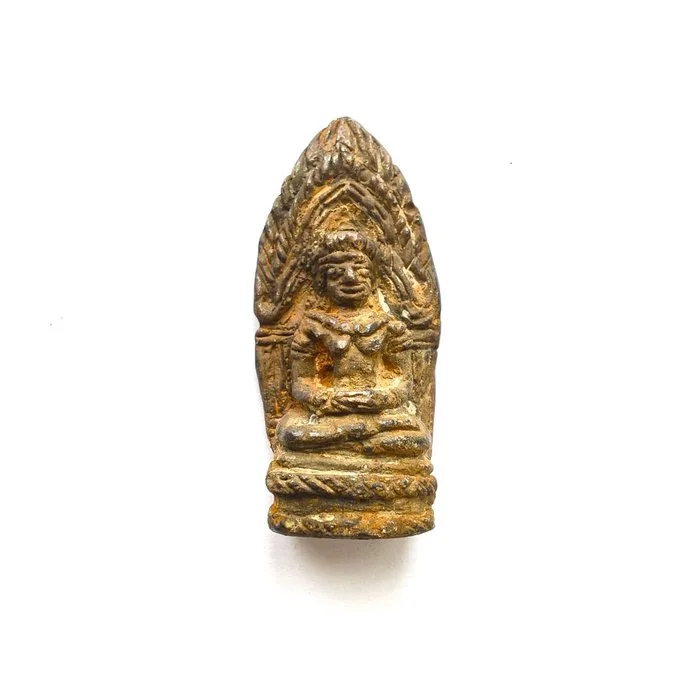
Ancient Indochinese Bronze XS Sitting Buddha Bead Talisman - 48 mm
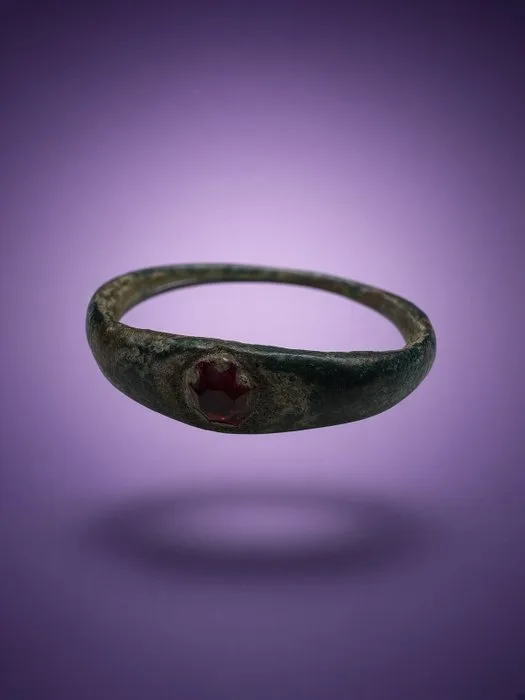
Late Roman/Early Byzantine ring with red insert
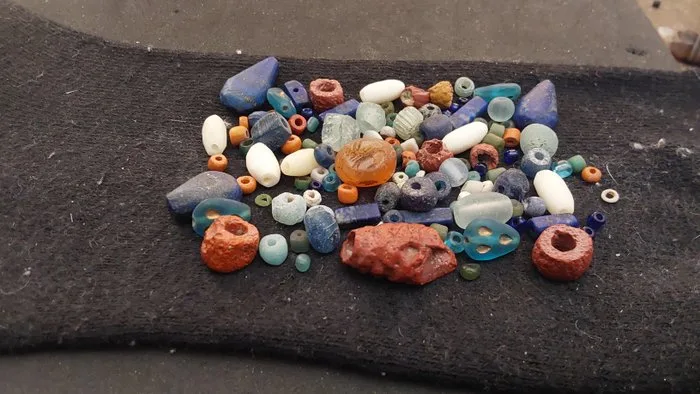
Ancient Egyptian to Roman Glass over 100 ancient beads
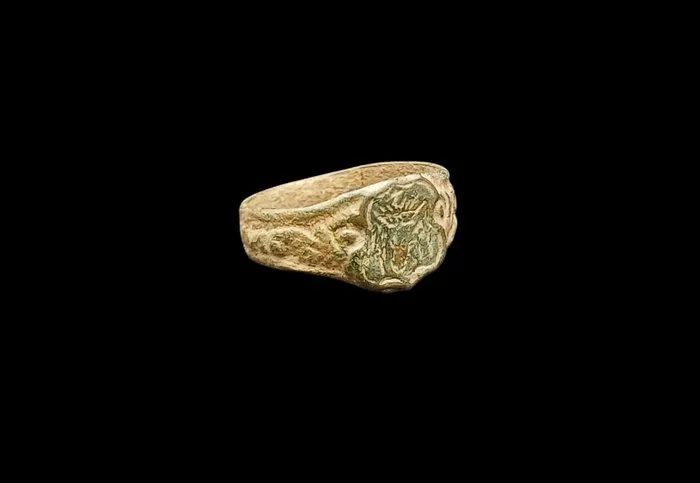
Medieval Bronze Signet Ring - 22 mm
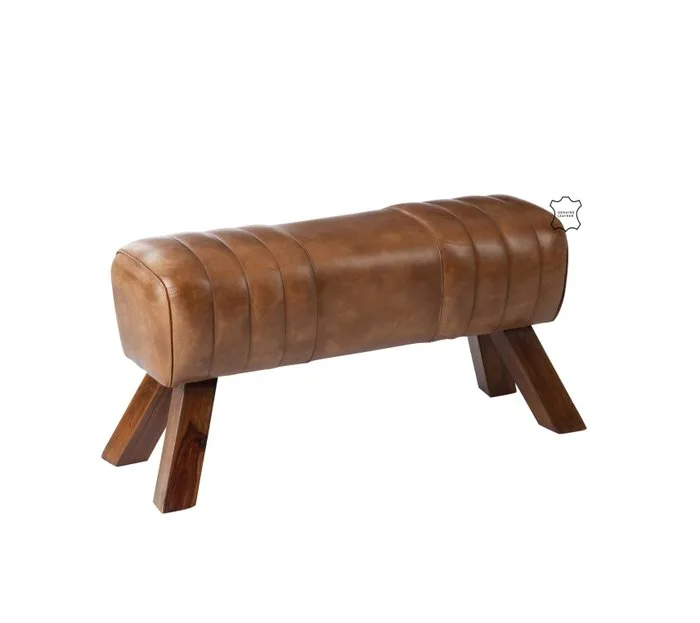
Gym Hall Bench - Real Leather - Hall bench - Leather, Wood
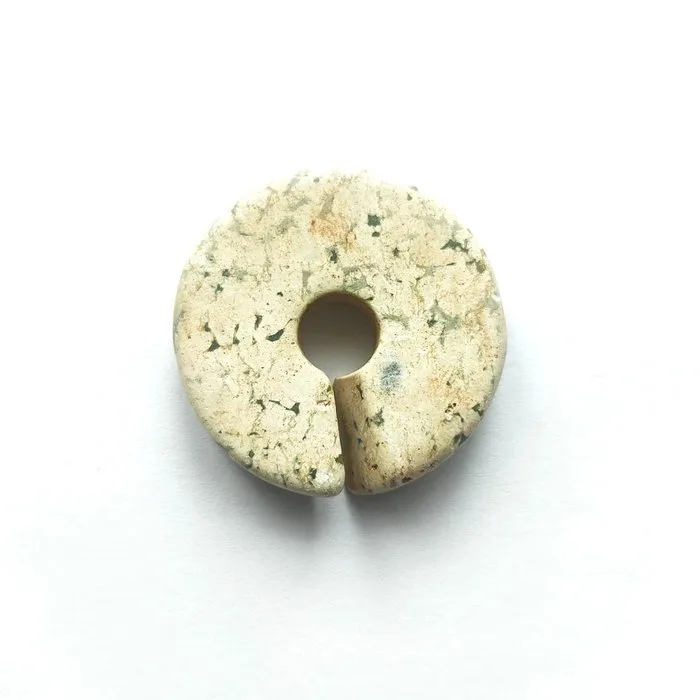
Dong Son South China Mosaic Stone Earring / Hair Ring Bead - 36 mm
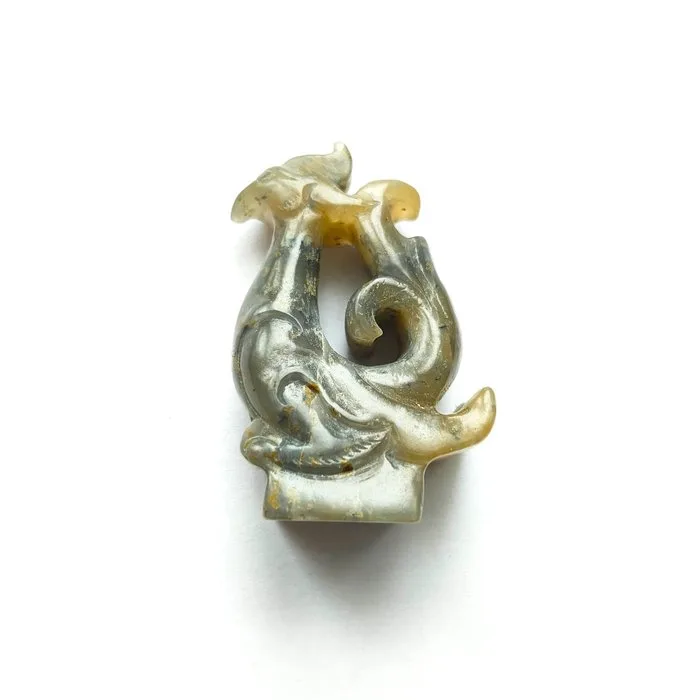
Ancient Chinese hard stone (Green Jade?) Phoenix Shaped Bead Talisman - 47 mm
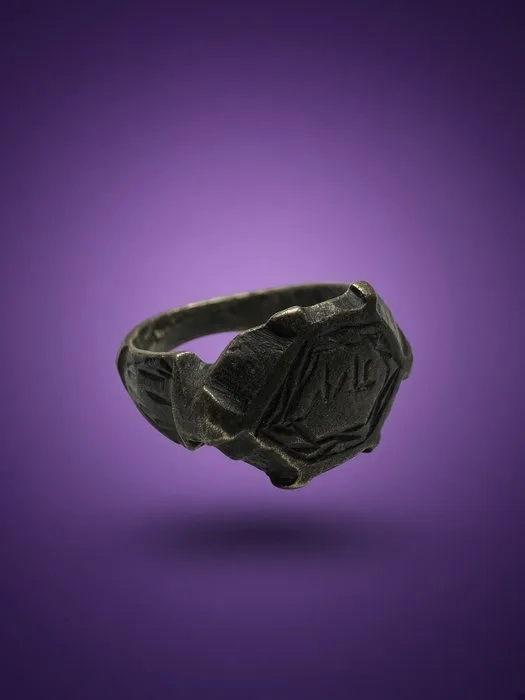
Medieval islamic ring with kufic inscriptions - seljuk
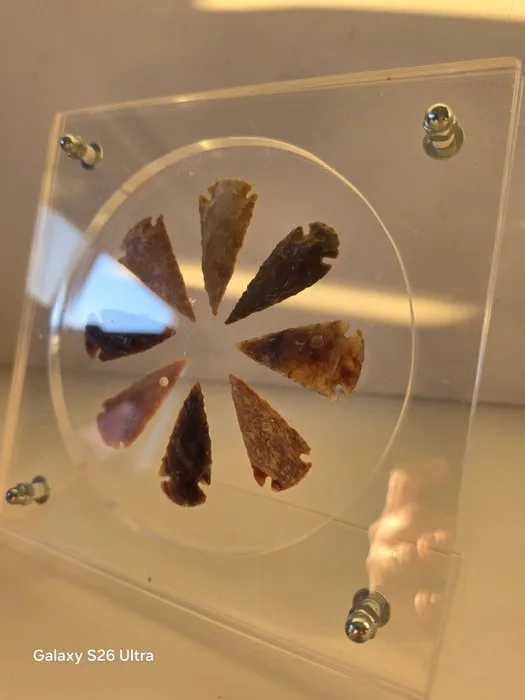
stone Arrow head - 22 cm
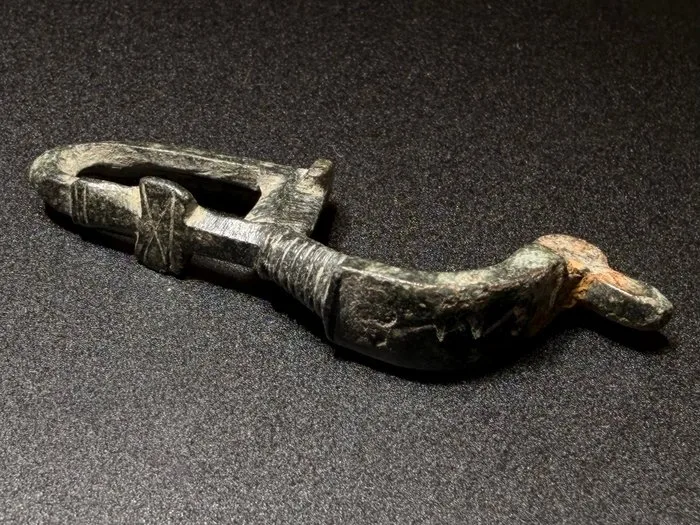
Late Roman/Early Byzantine Bronze Beautifully Shaped Late Imperial Brooch with a Cross on the Front Part
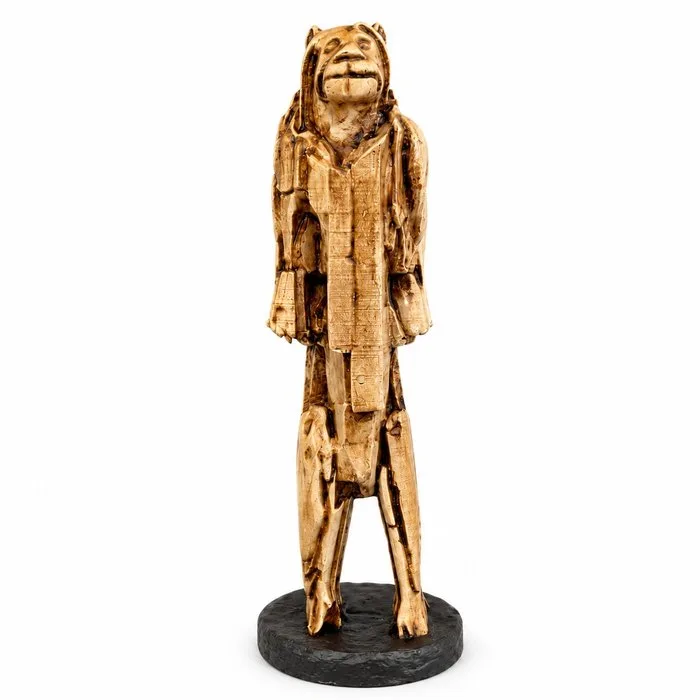
Replica of Aurignacian Upper Paleolithic Lion Man figurine resine Lion Man of Hohlenstein-Stadel (Löwenmensch) – Paleolithic Sculpture Replica - 6.3 in
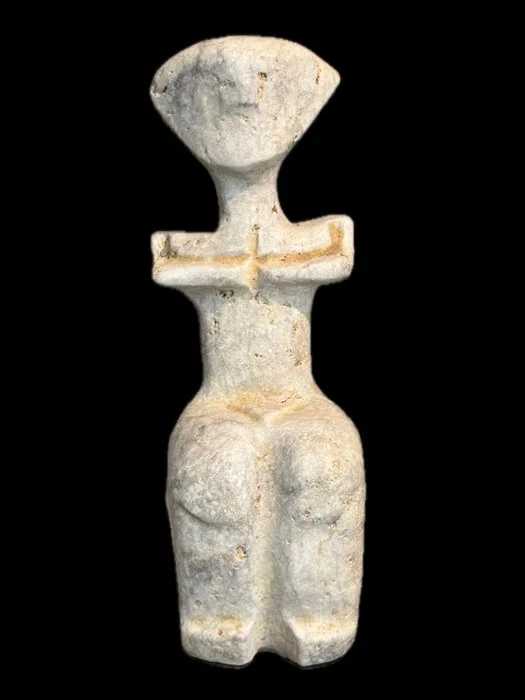
Neolitic (or in the style of ) Marble Seated Mother Goddess - 18 cm
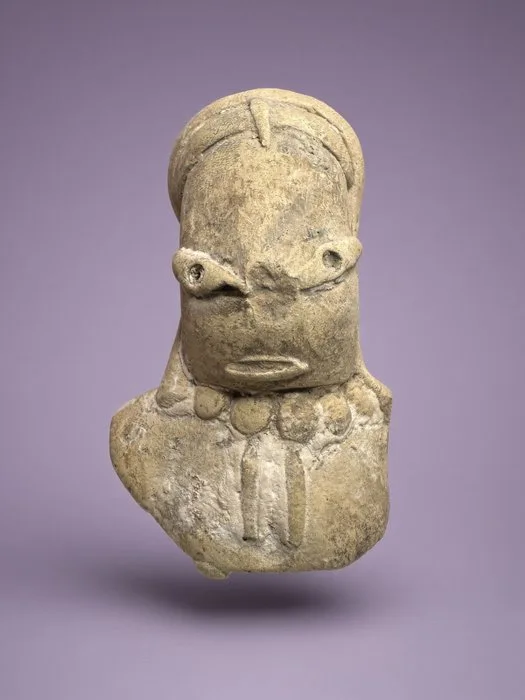
Indus Valley ancient terracotta bust
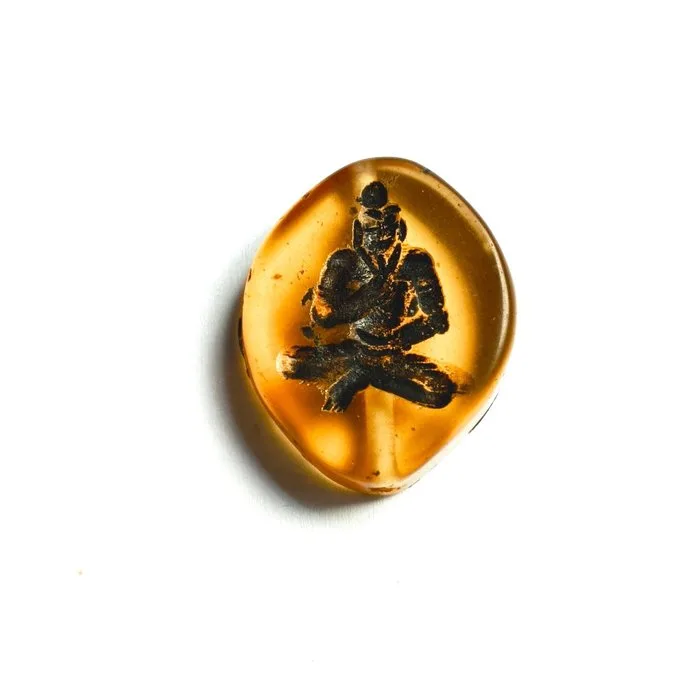
Indochinese Yellow Crystal XS Sitting Buddha Bead Talisman - 29 mm
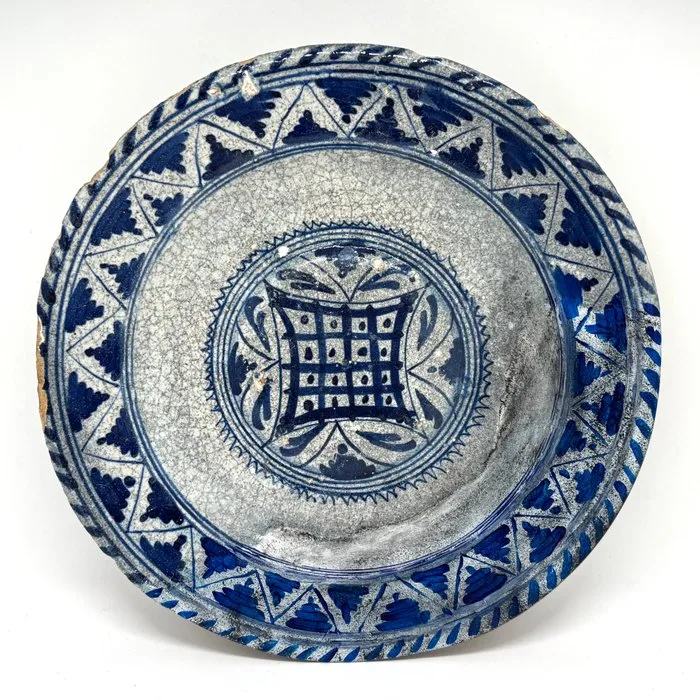
Post-medieval Pottery Dutch maiolica plate (Wanli period) - 17th century - 26.3 cm
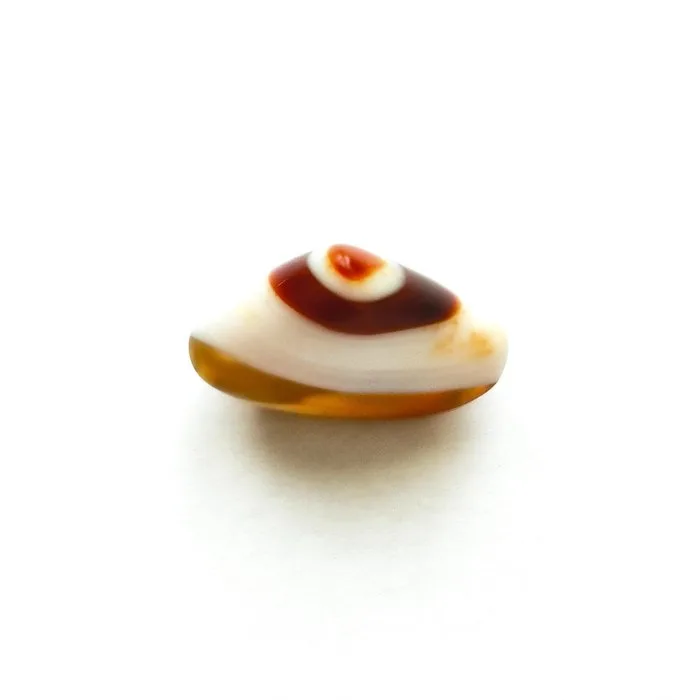
Silk Road,Central Asian Banded Agate XS Triangular Pendant Bead Talisman with Buddha's Eyes - 21 mm
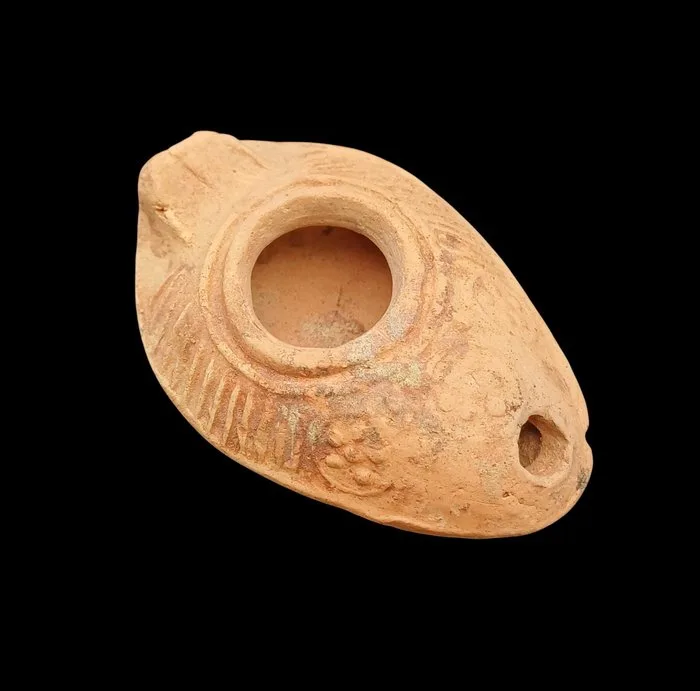
Late Roman/Early Byzantine Terracotta Oil Lamp - 85 mm
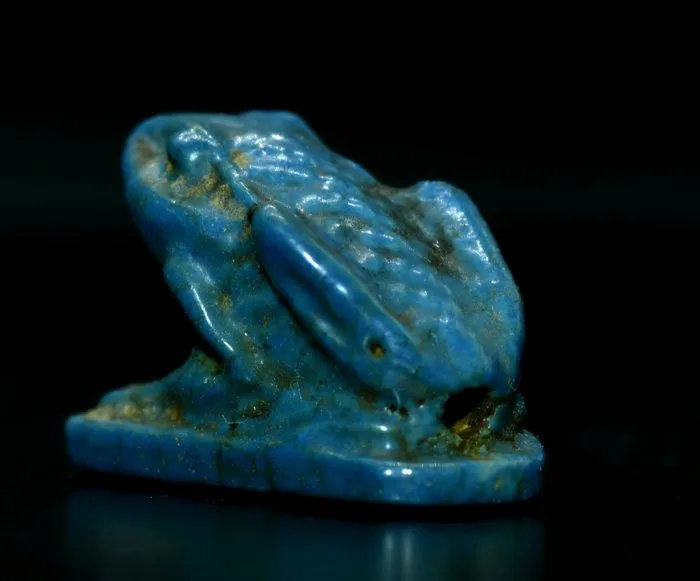
Ancient Egypt, New Kingdom Faience Blue Faience Frog Amulet (18th Dynasty) - 21 mm
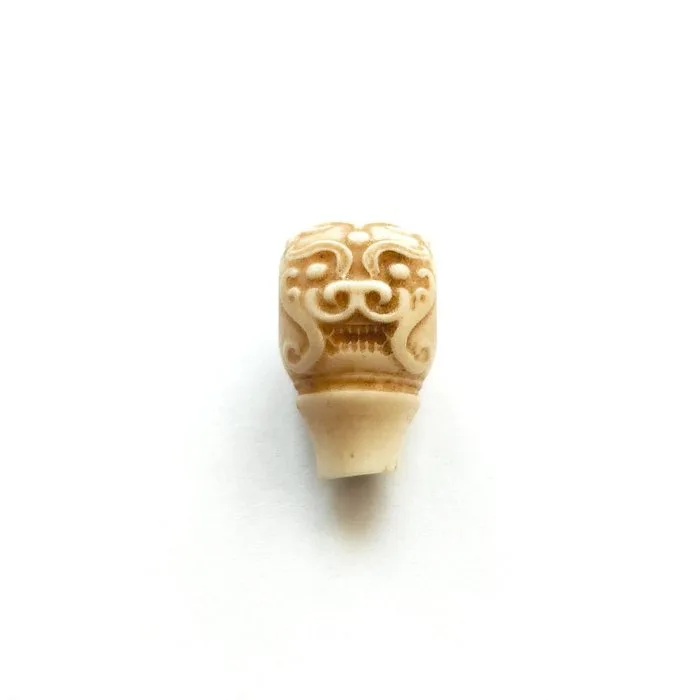
Ancient Tibetan or Nepalese Bone Monster Head Protective Bead Talisman - 19 mm
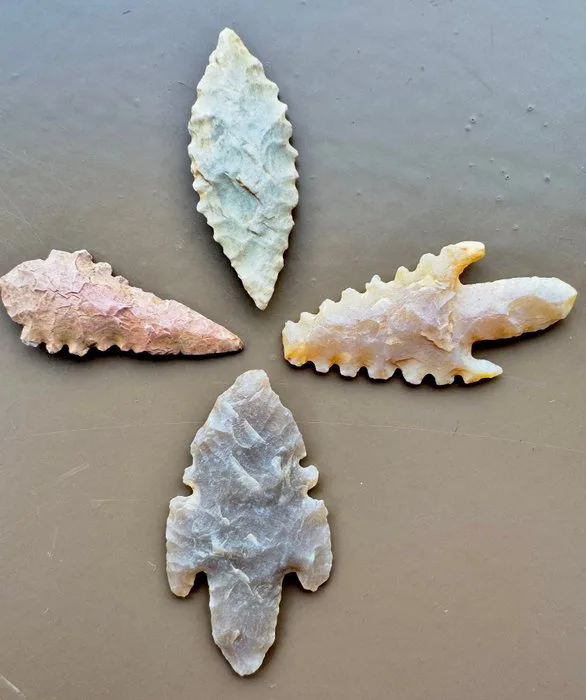
Sahara Silex Arrow head
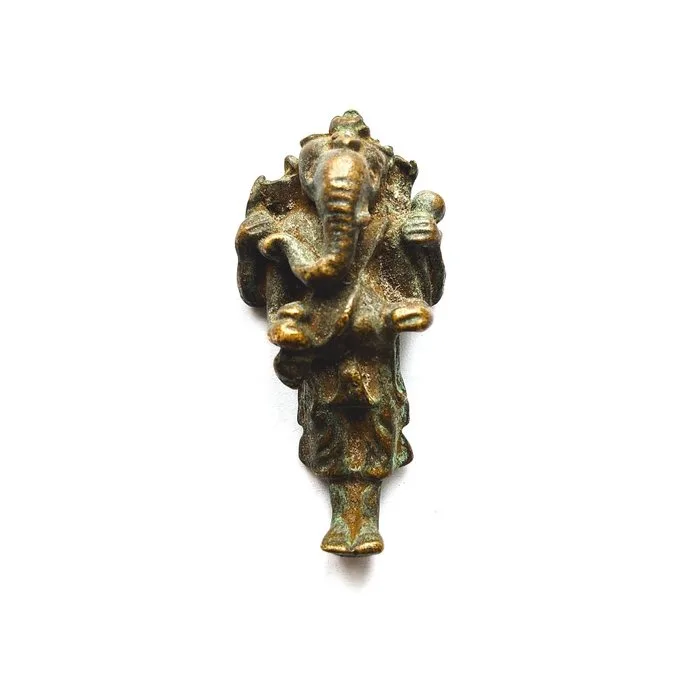
Ancient Indochinese Bronze XS Standing Ganesha Bead Talisman - 51 mm
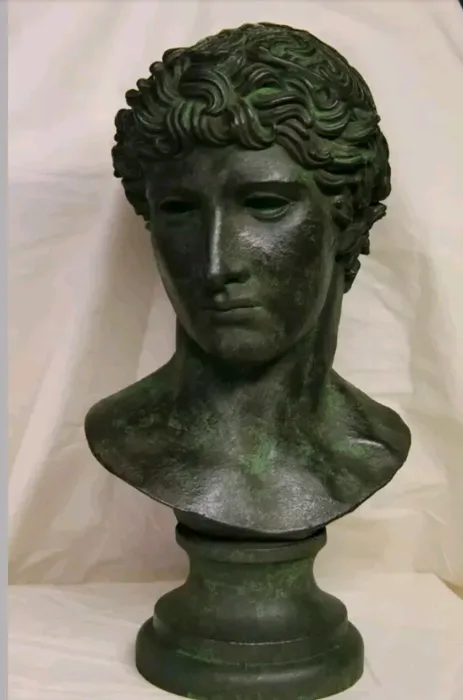
Replica of an Ancient Roman patinated stucco Bust of Antinous - the lover of Emperor Hadrian. - 44 cm
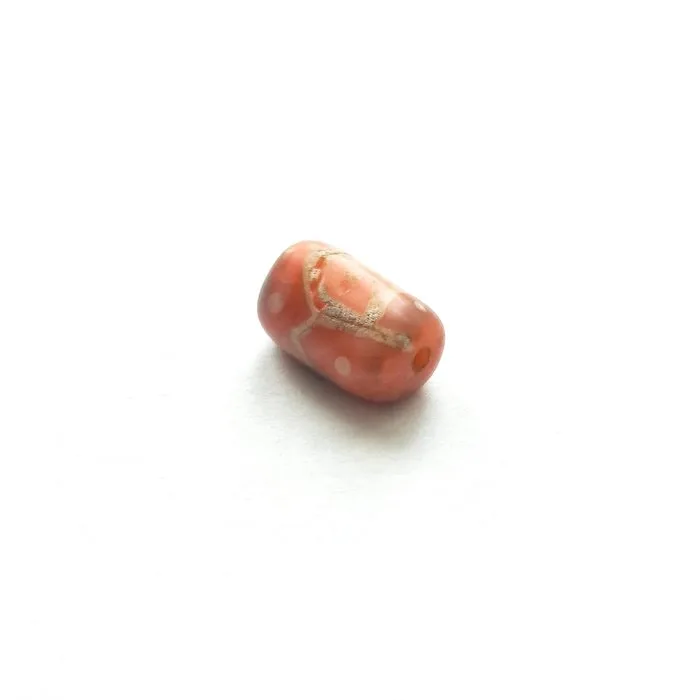
Ancient Burmese, Pyu States Etched Agate Round Bead Talisman with Sun Decor - 13 mm
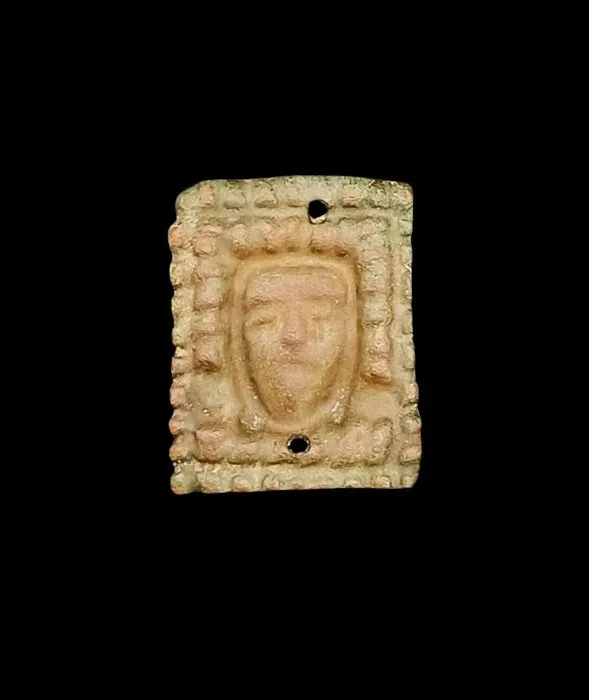
Viking Era Bronze Face Mount - 20 mm
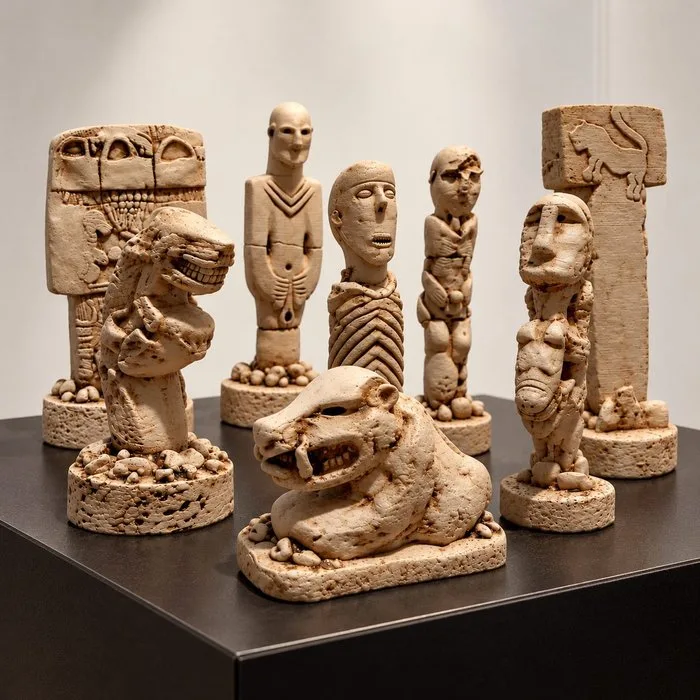
Replica of Pre-Pottery Neolithic Anatolian sculptures resine Göbekli Tepe & Karahantepe – Taş Tepeler 8-Piece Neolithic Sculpture Replica Set - 7.5 in
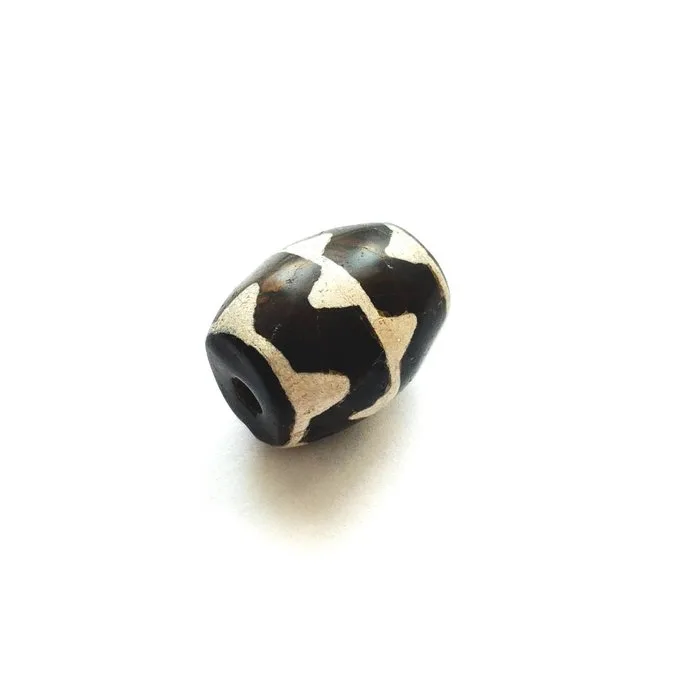
Ancient Tibetan / Nepalese Etched Agate Dzi Bead Talisman with Geometrical Waves Pattern - 18 mm
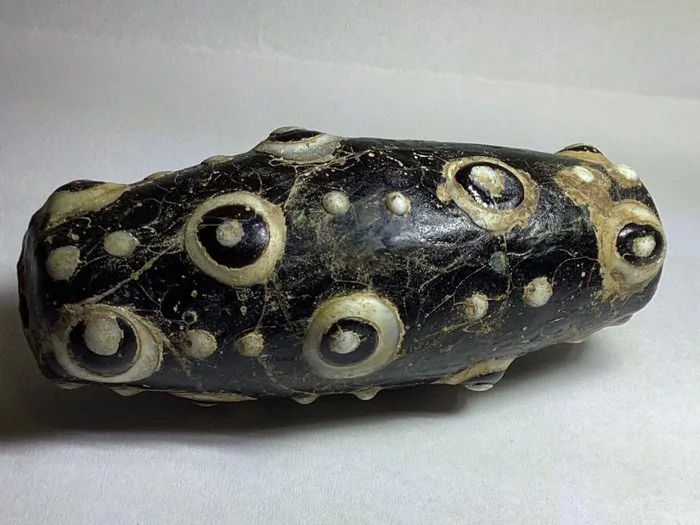
Late Roman/Early Byzantine Glass Glass-Eyed Pearl - 61 mm
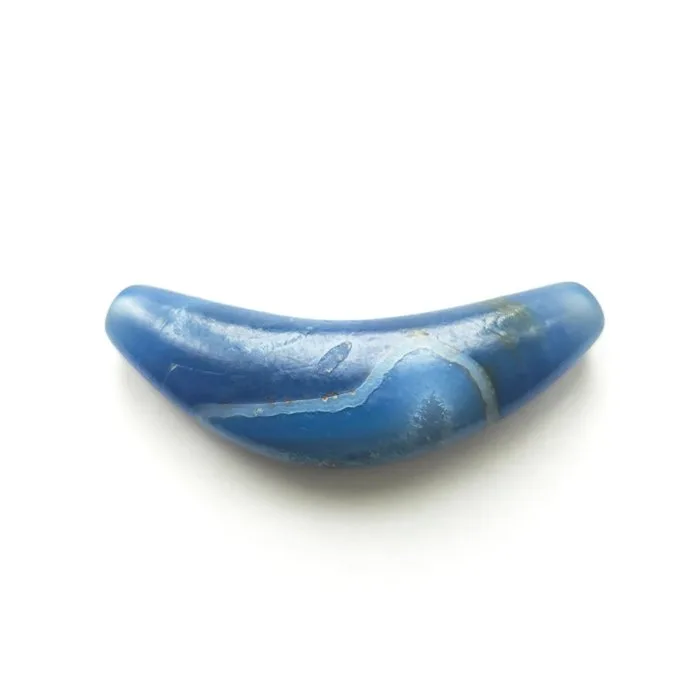
Silk Road, Central Asian Natural Blue Agate XL Rare Kidney Shaped Pectoral Bead Talisman - 75 mm
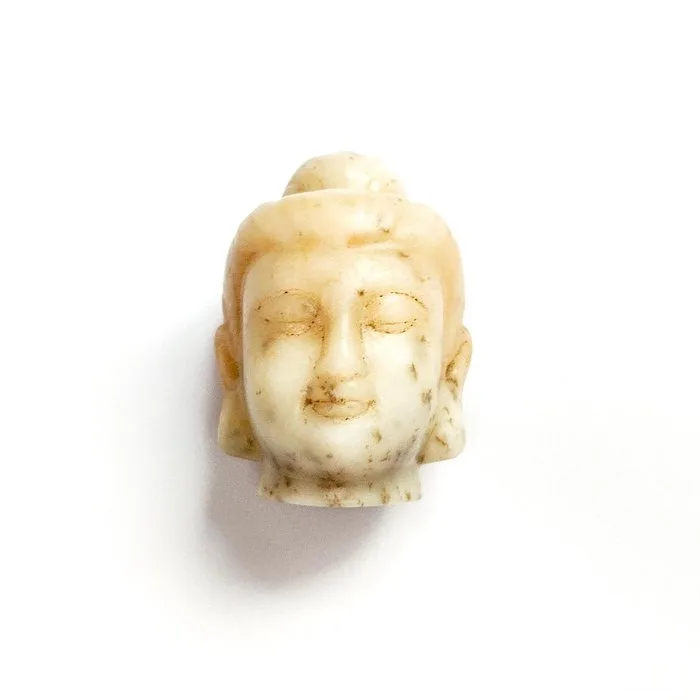
Ancient Chinese Marble Buddha Head Pendant Bead Talisman - 50 mm
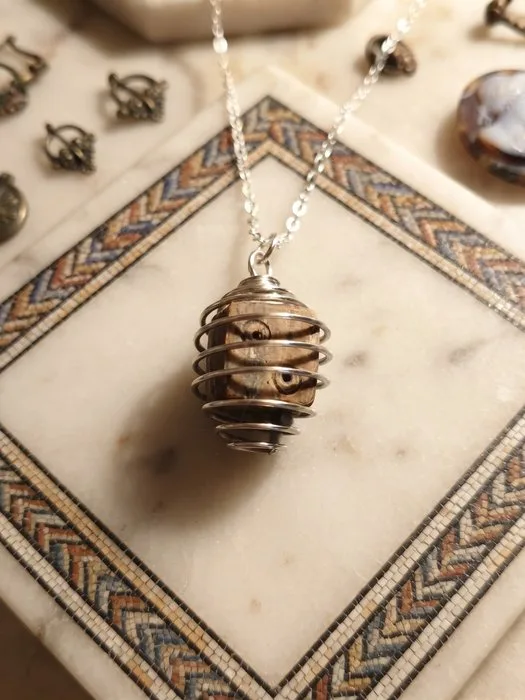
Ancient Rome Bone (Astragalus) Dice
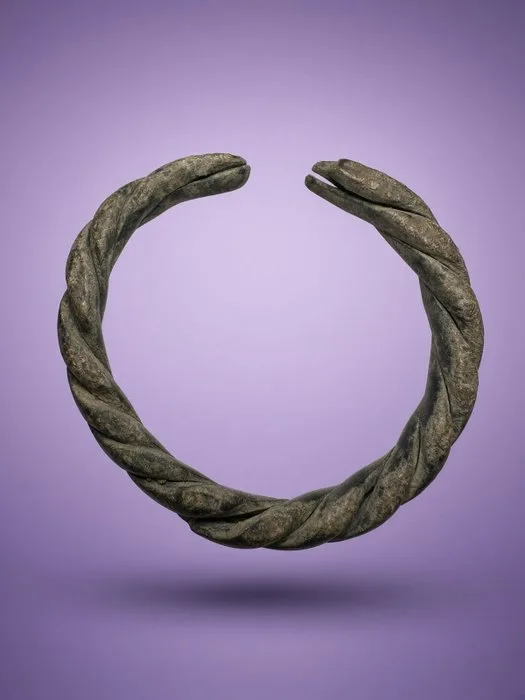
Bronze Age / iron age twisted bracelet (bangle)
What this section contains
Small ancient objects make up most of this section: Roman, Byzantine and Islamic bronze rings, Roman terracotta oil lamps, Celtic and Viking bronze fittings and bracelets, Greek and Hellenistic jewellery, Egyptian scarabs, etched agate and glass beads from the Silk Road and Southeast Asia, Chinese terracotta tomb tiles and figures, Mesopotamian idols and Neolithic flint axes and arrowheads. There are also clearly marked replicas of ancient pottery and sculpture. Most pieces here are between €400 and €1,800.
Reading a listing
- Culture names the civilisation or period, such as Ancient Roman, Byzantine, Neolithic, Bronze Age or Ancient Egypt, Late Period.
- Authenticity separates original ancient objects from replicas. Titles also say 'replica' where that applies. Read both.
- Material is most often bronze or terracotta, followed by flint, silver, glass and stone.
- Size is given in cm or mm; many rings and beads are only 2-3 cm.
Condition
Ancient objects are graded with simple terms: Excellent, Very good and Good. Expect a green or brown patina on bronze, surface wear, encrustation from burial and small losses. These are signs of age, not faults. Heavy cleaning or polishing can reduce value, so it is best left alone.
Legal points for buyers
The trade in antiquities is regulated. Many countries restrict the export and import of archaeological objects, and some require documentation. If you live outside the EU, check the rules in your country before ordering.
Frequently asked questions
Are the items in the Archaeology section genuine ancient objects?
Each listing's Authenticity field states whether an item is an original object or a replica, and replicas are also named as such in the title, for example 'Replica of a Corinthian alabastron'. Read both the field and the title before buying. If you have questions about a particular piece's age or history, contact us before you order.
Why is ancient bronze green?
Bronze is an alloy of copper and tin. Over centuries in the ground, copper reacts with moisture, air and minerals in the soil to form a patina of copper salts, usually green, blue-green or brown. A stable, even patina is normal and valued. Powdery bright green spots that spread can be 'bronze disease', which a conservator can treat.
Can I wear an ancient Roman ring?
Many ancient rings are small and fragile, and bronze can crack or wear further with daily use. Silver and gold rings are sturdier, but they are still centuries old. Most collectors keep ancient rings for display or wear them only occasionally. Check the inner diameter in the listing, since many were made for small fingers.
Can antiquities be shipped outside the EU?
Many countries control the import and export of archaeological objects, and the rules differ widely. Some require permits or documentation, and some ban certain categories. If you live outside the EU, check your country's customs and cultural-property rules before ordering, so the piece is not held at the border.